

Choosing between a UAE free zone company and a mainland UAE company is not just an administrative decision. It affects who you can sell to, how you are taxed, where you can operate, how easily you can open a bank account, how many visas you can obtain, and how scalable your business model will be.
This decision matters even more now because the UAE business environment has changed significantly. In 2024, the UAE's GDP reached AED 1.776 trillion, with non-oil sectors contributing 75.5% of the economy. Non-oil GDP grew by 5%, showing how strongly the country is moving beyond oil into trade, finance, real estate, logistics, hospitality, and professional services. In 2025 UAE non-oil trade exceeded AED 3.8 trillion, up 26.8% year on year, with non-oil exports reaching AED 813 billion.
That growth creates opportunity, but it also makes setup planning more important. A free zone licence may be ideal for an export-focused consultancy or trading firm, while a mainland licence may be the better choice for a restaurant, construction company, clinic, local service provider, or business targeting UAE-based customers.
The real question is not Which is better? The better question is: Which setup matches your customers, revenue model, tax position, and expansion plans?

What Is a UAE Free Zone Company?
A free zone company is a business registered inside a specific economic zone in the UAE. These zones are designed to attract foreign investment by offering simplified licensing, sector-specific infrastructure, foreign ownership, and business-friendly operating rules.
The UAE has more than 40 multidisciplinary free zones, many of which are built around industries such as logistics, media, technology, commodities, healthcare, education, design, finance, and manufacturing. Free zones typically offer benefits such as 100% foreign ownership, full profit repatriation, fast incorporation, customs-related advantages, and independent regulations within the zone.
For many entrepreneurs, free zones are attractive because they provide a straightforward entry point into the UAE market. You can often start with a small office package, flexi-desk or warehouse facility depending on the activity and visa requirement.
Free Zone Setup Is Usually Strongest When
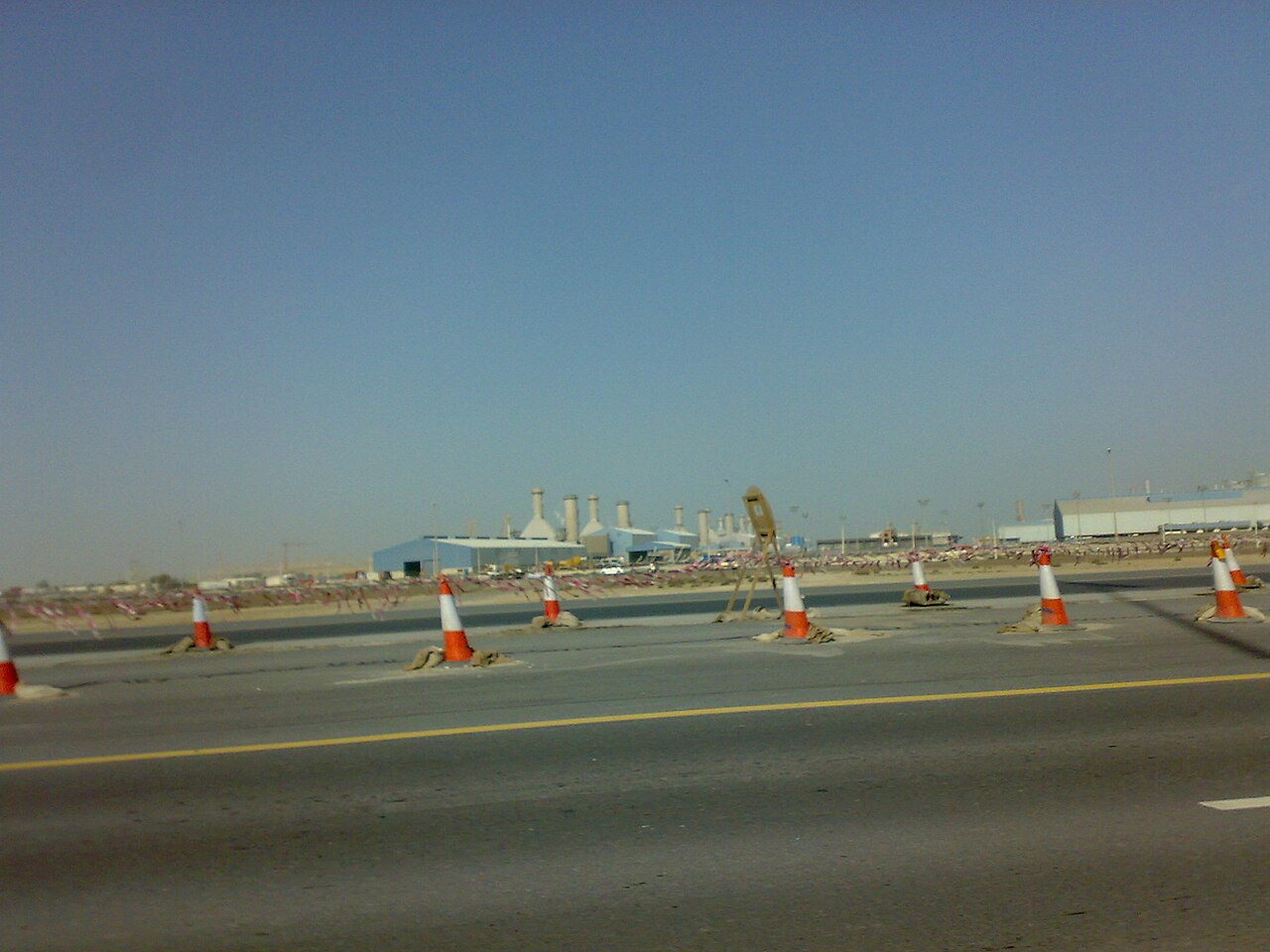
A free zone structure is often a strong fit when your business is built around: Serving international clients from the UAE, such as consulting, digital marketing, software, IT, design, or advisory services. Importing, exporting, or re-exporting goods through UAE ports, airports, or logistics hubs. Operating in a sector-specific ecosystem, such as commodities, media, finance, tech, or logistics. Keeping startup costs predictable with a licence, office, and visa package. Holding intellectual property, regional management functions, or B2B service operations. Building a UAE presence without immediately selling directly across the mainland market.
For example, a marketing consultancy serving clients in Saudi Arabia, the UK, and Europe may not need a mainland licence on day one. A free zone licence can provide a credible UAE base, visa eligibility, banking support, and a cost-efficient operating structure.
What Is a UAE Mainland Company?
A mainland company is licensed by the economic department of an emirate, such as Dubai Economy and Tourism or Abu Dhabi Department of Economic Development. Mainland companies are generally designed for businesses that want to operate directly across the UAE market.
A mainland setup is usually more suitable when your company needs to open a physical shop, serve local customers, bid for UAE-based contracts work with government or semi-government entities, hire staff locally, or conduct commercial activity without being restricted to a free zone framework.
Importantly, 100% foreign ownership is no longer only a free zone benefit. The UAE allows investors of all nationalities to establish and fully own companies in many mainland activities. However, certain strategic-impact activities remain subject to special rules, approvals, or UAE national ownership requirements, including areas such as defence, banking, insurance, telecom, exchange houses, Hajj and Umrah services, and fisheries.
Mainland Setup Is Usually Strongest When
A mainland company is often the better option for restaurants, salons, retail stores, construction firms, real estate brokerages, facilities management companies, cleaning services, clinics, education providers, and companies that need to serve UAE customers directly.
For example, if you want to open a showroom in Dubai, provide maintenance services across Abu Dhabi or sign contracts with UAE-based clients that require an onshore licence, mainland is usually more practical than a pure free zone setup.

Free Zone vs Mainland UAE: The Core Difference Is Market Access
The biggest practical difference between free zone and mainland is not ownership anymore. It is where and how your company can legally do business.
A mainland company can generally operate across the UAE, subject to its licensed activities and any external approvals. A free zone company is primarily licensed to operate within its free zone and internationally. If it wants to conduct business directly on the mainland, it may need an additional mainland licence, branch, permit, distributor, agent or dual-licensing arrangement depending on the emirate and activity.
This area is evolving. In Abu Dhabi, dual licence options allow certain free zone businesses to expand into mainland operations while retaining free zone advantages. Abu Dhabi's dual licence model starts from AED 1,200 for selected activities and can support businesses that need to operate outside the free zone.
Dubai has also introduced a clearer route for certain free zone establishments to operate outside the free zone. Under Dubai Executive Council Resolution No. 11 of 2025, eligible free zone companies may conduct activities outside the free zone in Dubai through a branch licence, a branch operating out of the free zone, or a temporary activity permit, subject to requirements such as compliance with relevant laws and maintaining separate financial records for outside-free-zone activities. The listed Dubai fees include AED 10,000 per year for a branch operating out of a free zone and AED 5,000 for a temporary permit.
This does not mean free zone companies can freely trade anywhere without planning. It means the UAE is creating more flexible pathways, especially for businesses that start in free zones and later expand into mainland activity.
Tax Treatment: Free Zone Does Not Automatically Mean Tax-Free
Before UAE Corporate Tax, many entrepreneurs treated free zones as the obvious tax-efficient choice. That view is now too simplistic.
The UAE Corporate Tax regime applies to financial years starting on or after 1 June 2023. In general, taxable income up to AED 375,000 is taxed at 0%, while taxable income above that threshold is taxed at 9%. Free zone companies are also within the scope of Corporate Tax and must register, maintain records, and file returns where required.
A qualifying free zone company may still benefit from a 0% Corporate Tax rate on qualifying income, but only if it meets the conditions for a Qualifying Free Zone Person. Non-qualifying income may be taxed at 9%, and failing the relevant conditions can affect the tax position for the current and future tax periods.
For large multinational groups, the UAE has also introduced a Domestic Minimum Top-up Tax for certain groups with annual consolidated global revenue of €750 million or more, effective for financial years starting on or after 1 January 2025.
The takeaway is clear: choose your setup based on commercial reality first, then structure the tax position properly. A free zone licence is not a shortcut around tax compliance.

Cost Comparison: Cheapest Licence Is Not Always the Lowest-Cost Setup
Many entrepreneurs begin by asking which option is cheaper. That is understandable, but licence cost alone can be misleading.
Free zone packages may look attractive because they often bundle licence, registration, office solution, and visa allocation into one package. For freelancers, consultants, e-commerce businesses, and small international service companies, this can keep initial costs manageable.
Mainland setup may involve more variables: office lease, municipality requirements, external approvals, immigration and labour files, activity-specific permits, and sometimes higher operational costs. However, if the business depends on UAE customers, local contracts, tenders, or physical operations, mainland can be more cost-effective in the long run because it avoids the need for additional mainland permissions later.
A cheap licence becomes expensive if it blocks your revenue model.
For example, a free zone trading licence may be affordable, but if the company later needs to sell directly to retailers across Dubai, additional permissions or restructuring may be needed. On the other hand, a mainland licence may cost more at setup, but it can make commercial operations smoother from the beginning.

Practical Decision Guide: Which Setup Fits Your Business Model?
International consulting, IT, marketing, design, or advisory services — Usually Better Fit: Free zone. Why: Lower overhead, professional licence options, suitable for overseas clients.
Retail shop, restaurant, salon, clinic, or showroom — Usually Better Fit: Mainland. Why: Requires direct access to UAE customers and physical market operations.
Import-export or re-export business — Usually Better Fit: Free zone. Why: Strong logistics, warehousing, customs, and port connectivity benefits.
Construction, maintenance, cleaning, or facilities management — Usually Better Fit: Mainland. Why: Worksites and contracts are usually across the UAE mainland.
E-commerce selling mainly outside the UAE — Usually Better Fit: Free zone. Why: Efficient for international operations and digital business models.
E-commerce selling heavily to UAE residents — Usually Better Fit: Mainland or hybrid. Why: Local delivery, consumer sales, and marketplace requirements may need onshore access.
Government or semi-government contracting — Usually Better Fit: Mainland. Why: Many tenders prefer or require mainland licensing.
Regional HQ, holding, IP or management office — Usually Better Fit: Free zone. Why: Suitable for ownership, substance, and regional structuring.
Regulated finance, fintech or investment activity — Usually Better Fit: Specialist free zone or regulator-led setup. Why: May require DIFC, ADGM, SCA, Central Bank, or other approvals.
This table is a starting point, not a final answer. The correct structure depends on your exact activity wording, client base, visa needs, office requirements, and tax profile.

Real-World Examples: How the Choice Plays Out
Example 1: Digital Agency Serving International Clients
A small digital agency with clients in the UK, Saudi Arabia and Qatar may choose a free zone setup. It does not need a retail location or daily mainland operations. A free zone licence can provide credibility, UAE residency visas, banking eligibility, and lower initial overhead.
Example 2: Interior Fit-Out Company Working Across Dubai
An interior fit-out business needs to visit client sites, hire staff, work with contractors, and operate across mainland locations. A mainland licence is usually more suitable because the business activity happens inside the UAE market.
Example 3: Trading Company Re-Exporting Goods
A company importing goods into the UAE and re-exporting to Africa or Asia may benefit from a free zone near a port or logistics corridor. The value is not only licensing; it is warehousing, customs handling, and proximity to shipping routes.
Example 4: E-Commerce Brand Selling to UAE Customers
If an e-commerce brand sells mainly to UAE residents through its own website, local marketplaces, and courier networks, the answer may not be a simple free zone licence. The business may need mainland access, marketplace approvals, or a hybrid structure to operate smoothly.

Common Mistakes Entrepreneurs Make When Choosing
Avoid these setup mistakes before committing to a licence:
Choosing a free zone only because it appears cheaper, without checking whether you can legally serve UAE mainland customers.
Assuming free zone automatically means 0% Corporate Tax without reviewing qualifying income and substance requirements.
Selecting vague or incorrect business activities that later create banking, invoicing, or compliance issues.
Ignoring external approvals for regulated activities such as healthcare, education, real estate, finance, food trading, or construction.
Underestimating visa quota, office, warehouse, or physical presence requirements.
Mixing free zone and mainland revenue streams without proper records, contracts, and tax review.
These mistakes are common because company setup is often treated as paperwork. In reality, it is a commercial structure.
Recent UAE Business Trends Support Both Models
The UAE is not pushing businesses into only one setup route. It is expanding both free zone and mainland opportunities.
Dubai Chamber of Commerce reported 71,830 new member companies in 2025, a 20% annual increase, while active member companies reached 292,486, up 13.2%. The strongest activity groups among new members included real estate, renting and business services, wholesale and retail trade, construction, personal services, and transport, storage and communications.
This mix shows why there is no universal answer. Professional services, trading, and regional operations may lean toward free zones, while retail, construction, real estate, and local services often need mainland access.
For business owners, the smart approach is to map the licence to the revenue model: Who will you invoice? Where will the service be delivered? Where will goods be stored? Do you need UAE walk-in customers? Will you bid for tenders? Do you need employees, visas, or warehouse space?
Those answers usually reveal the right jurisdiction.

Expert Recommendation: Choose Based on Revenue, Not the Licence Label
If your revenue is mostly international, B2B, digital, export-led, or logistics-focused, a free zone setup can be efficient and scalable. If your revenue depends on direct UAE market access, physical operations, local contracts, or government work, mainland is often the stronger foundation.
A hybrid approach may also make sense. Some companies start in a free zone to control costs and later add a mainland branch, permit, or dual licence when UAE customer demand grows. This is especially relevant as Dubai and Abu Dhabi continue introducing more structured routes for free zone companies to expand into mainland activity.
Before finalising your setup, review four things carefully: Your exact licensed activity. Your expected customer location. Your tax and accounting position. Your future expansion plan.
For tailored guidance, Emirates EBCS can help compare UAE free zone and mainland options based on your activity, visa requirements, budget, banking needs, and market access plans.

Conclusion
The UAE is entering a more mature business setup era. Free zones remain powerful for international trade, digital businesses, consulting, logistics, regional headquarters, and sector-specific ecosystems. Mainland companies remain essential for businesses that need direct UAE market access, physical operations, local contracts, and government or consumer-facing activity.
The future is not simply free zone vs mainland. It is about choosing the right starting structure and leaving room to expand. With UAE non-oil sectors growing, trade volumes rising, and licensing frameworks becoming more flexible, businesses that plan properly from the beginning will be better positioned to scale.
A free zone setup may suit your business if you want efficiency, international reach, and sector-focused infrastructure. A mainland setup may suit you better if your growth depends on serving the UAE market directly. The right decision depends on your customers, not just your licence cost.

Frequently Asked Questions
The free zone is better for international, export, consulting and low-overhead businesses. Mainland is better for companies that need to operate directly across the UAE market.
Not automatically. Depending on the emirate and activity, it may need a mainland branch, permit, dual licence, distributor, or other approval.
Not always. A qualifying free zone company may get 0% Corporate Tax on qualifying income, but other income may be taxed at 9%.
Yes, many mainland activities allow 100% foreign ownership. Some strategic or regulated activities still require special approvals or UAE ownership conditions.
Free zone setup is often cheaper for small service or international businesses. Mainland may cost more initially but can be better value if you need UAE market access.