

Starting a company in the UAE is attractive, but for many founders the real question is not whether Dubai is a strong market. It is whether they can enter that market without locking themselves into unnecessary cost, office overhead, or a rigid company structure too early. That is where the value of a setup platform like IFZA becomes easier to understand. In a market where the UAE ranked first globally in the Global Entrepreneurship Monitor 2024–2025 report, attracted AED 167.6 billion in FDI in 2024, and now hosts more than 1.4 million companies, founders are looking for business setup models that are fast, scalable, and financially sensible from day one.
IFZA has gained attention because it is positioned around that exact need. Its model combines remote incorporation, flexible licensing, lower office-entry requirements, and support services beyond licensing itself. In practice, that matters more than a low advertised starting price, because the real cost of company formation in Dubai usually comes from everything around the license: office commitments, structural amendments, visa planning, compliance, and banking friction. IFZA's appeal is that it reduces several of those moving parts at once.
Why flexibility matters more than the cheapest setup quote
Dubai is growing as a company-formation hub because the broader ecosystem is strong, not because every company setup is identical. Dubai ranked as the world's top destination for Greenfield FDI for the fourth straight year in 2024, attracted 1,117 Greenfield projects, recorded 1,826 announced FDI projects, and generated 58,680 estimated jobs from FDI that year. In H1 2025 alone, Dubai attracted AED 40.4 billion in estimated FDI capital, up 62% year on year. That kind of momentum creates opportunity, but it also means founders need setup structures that can keep pace with growth instead of forcing expensive rework.
The UAE's SME base explains why this matters. Official UAE sources state that SMEs account for 94% of businesses in the country and contribute 63.5% to non-oil GDP. That means the "average" new business is not a giant enterprise with a long runway for overhead mistakes. It is more likely to be a startup, consultancy, e-commerce operator, small trading firm, or remote-first service business that needs to stay lean while staying credible.
That is why cost-effectiveness should be measured in total operating friction, not just license fees. A setup may look affordable up front but become expensive if it forces the company into office rent too early, limits activity scope, or creates repeated amendment costs as the business evolves. IFZA's strength is that it is designed around lowering those secondary costs.
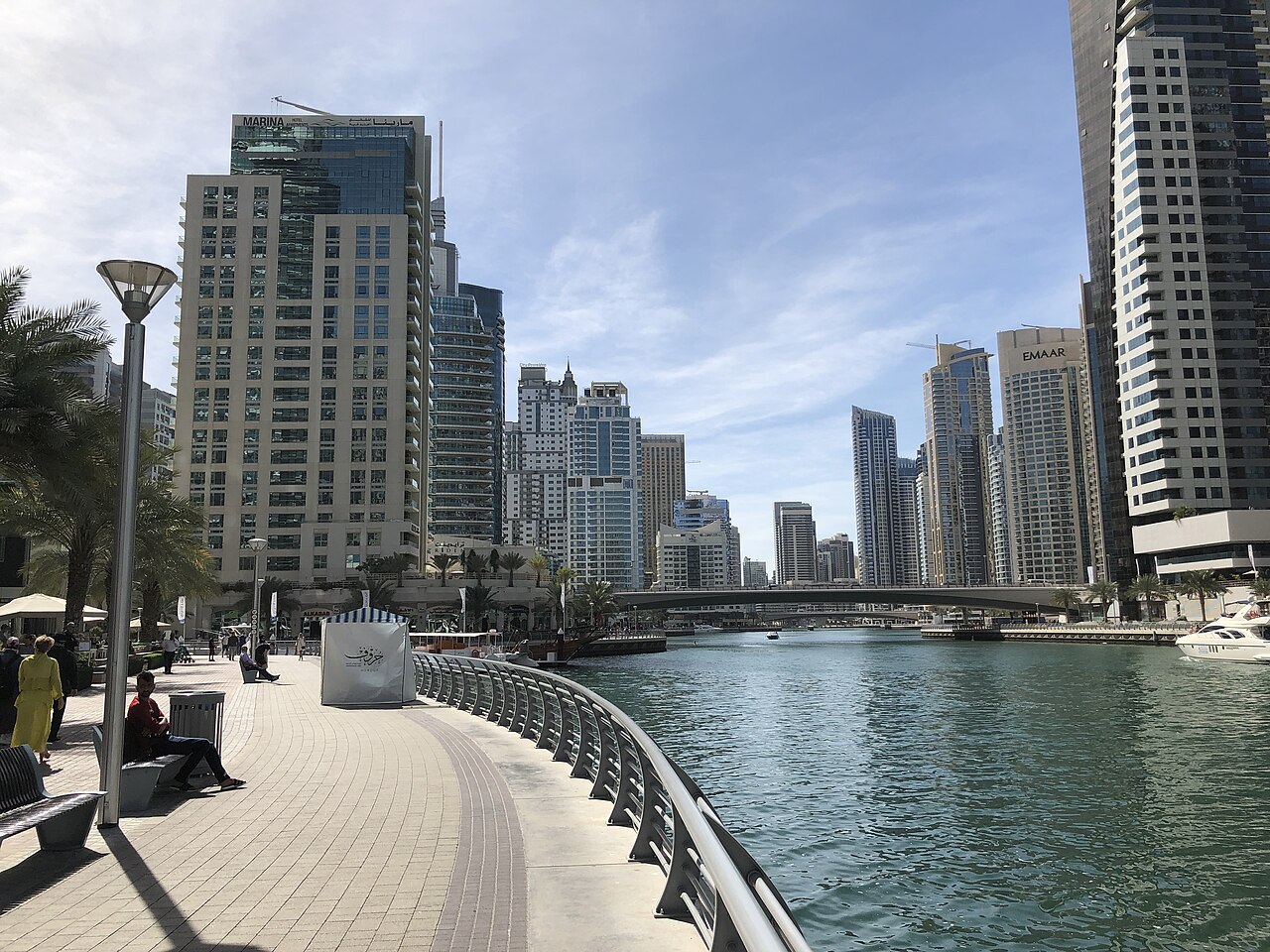
How IFZA builds flexibility into the setup process
Remote incorporation reduces time and relocation pressure
One of IFZA's most practical advantages is that founders can complete incorporation remotely. IFZA states that business owners can submit documents, sign digitally, and receive the license online without visiting the UAE for company formation, with travel only becoming relevant later if a visa is required for medical tests and Emirates ID processing. That is especially valuable for overseas entrepreneurs who want to validate the UAE market before relocating or building a full local team. This is more important in 2026 than many people realize. The UAE government emphasizes speed and digital company formation more broadly, noting that certain online businesses can be established in as little as 15 minutes, while the wider business environment includes more than 2,000 economic activities and allows a license to include more than one activity. IFZA fits into that digital-first direction by making setup operationally lighter for international founders.
Licensing is structured for businesses that evolve
A major reason founders choose IFZA is licensing flexibility. IFZA states that businesses can combine different activities under one license, and its recent guidance says a standard IFZA license includes up to three business activity groups within the standard fee. It also allows cross-category licensing in cases where commercial and professional activities need to sit together under one structure. For hybrid businesses, that is a meaningful cost-control feature. That matters because many modern businesses do not fit neatly into one box. A founder might sell products online, provide marketing consultancy, and operate a digital brand studio at the same time. In a more rigid setup, each expansion can trigger amendments, extra approvals, or even a structural mismatch between actual invoices and licensed activity. IFZA's multi-activity approach makes that less likely in the early stage.
Workspace options help keep fixed costs under control
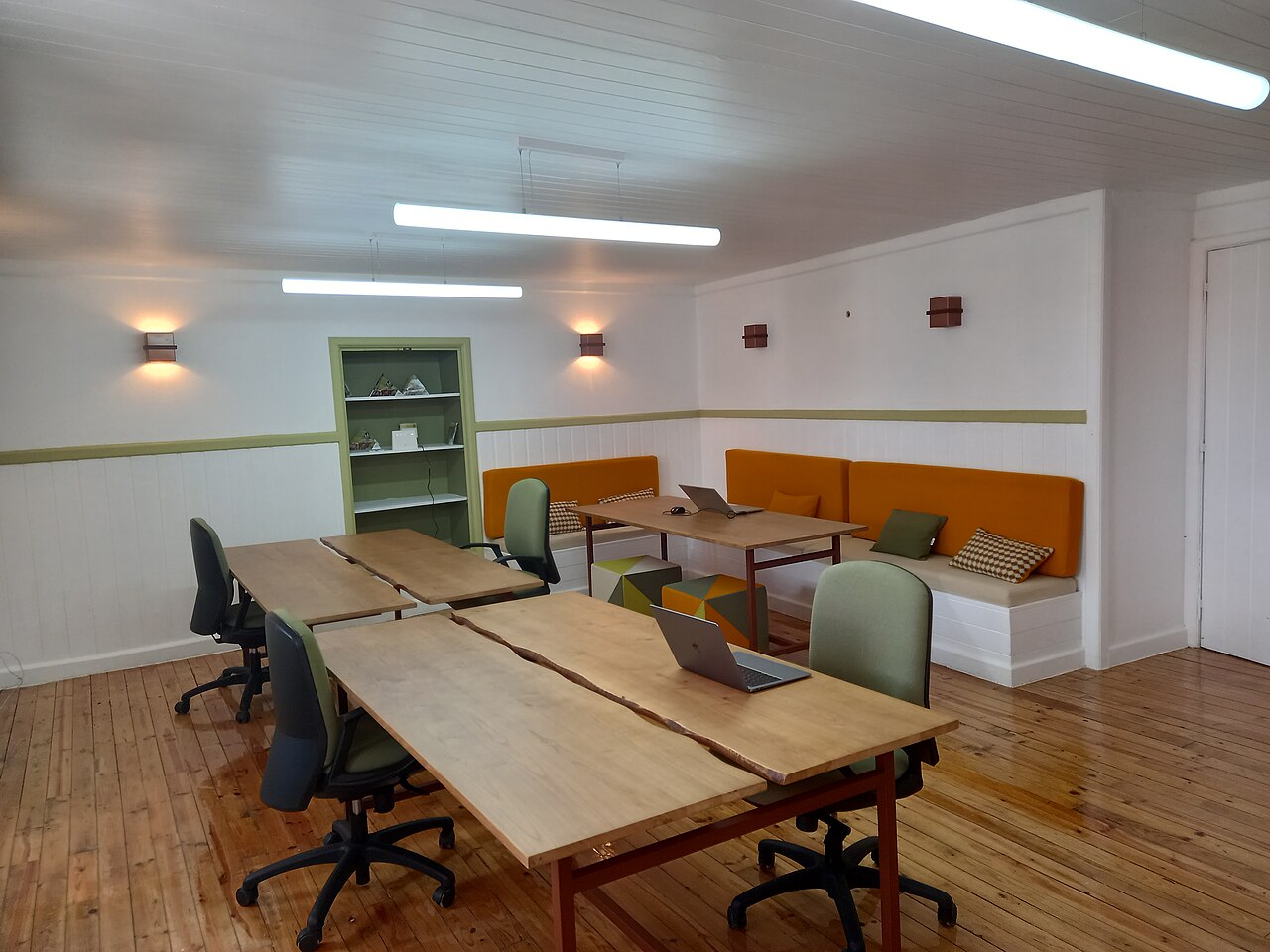
Office overhead is one of the biggest hidden costs in company formation. Dubai's official investment platform notes that mainland businesses are required to have a physical workspace with a minimum size of 100 square feet, while free-zone options can be more flexible. IFZA's workspace model is built around that flexibility. Its current property page lists a Flexidesk option with 10 hours of weekly access, high-speed Wi-Fi, a shared IFZA address, and one hour of meeting room usage per month, while higher tiers scale up to dedicated desks, private offices, and personalized offices. This is where IFZA becomes cost-effective in practical terms. A founder who does not need a full private office on day one can still obtain a licensed presence and professional business address without committing to a much heavier rent profile. For consultants, solo founders, remote teams, and early-stage e-commerce businesses, that can preserve cash for product development, hiring, or marketing instead of tying it up in underused office space.
Where the savings usually come from
The biggest savings in an IFZA setup often come from structural efficiency rather than from one headline fee.
Lower office commitment at launch: founders can start with flexi-desk or lighter office options rather than a full leased office.
Fewer early amendments: up to three activity groups can sit within the standard fee, which reduces the need to revise the license shortly after launch.
Remote setup savings: overseas founders can form the company without immediate travel for the incorporation itself.
Branch and structure flexibility: IFZA supports branch registration for foreign-incorporated companies as well as free zone company structures, which can reduce duplication for expanding international firms.
No paid-up share capital requirement: IFZA states that paid-up share capital is not required, which removes one more early-stage funding burden.

Cost-effective does not mean "cheap at any scale"
A serious business setup article should also be honest about the limits. IFZA can be cost-effective, but not every IFZA setup is automatically the cheapest option for every company. Total cost still depends on the business activity, number of visas, whether third-party approvals are needed, office type, and whether extra activity additions are required beyond the included scope. IFZA itself notes that additional activities beyond the initial included groups are charged separately.
That distinction matters because smart founders do not just ask, "What is the entry price?" They ask, "What will this structure cost me over the next 12 to 24 months if my business grows, pivots, hires, or expands into new services?" IFZA tends to perform well under that test because it gives businesses room to start lean and upgrade only when the operating model justifies it. That is a better financial pattern than overcommitting on day one.
IFZA's value goes beyond the trade license
Another reason IFZA is often seen as practical rather than merely promotional is its ecosystem model. On its official pages, IFZA says it supports businesses beyond incorporation through corporate training, banking assistance, health insurance support, commercial real estate, office design, and related services. Its banking page also says IFZA-registered companies can receive support for business bank account opening through partner institutions.
That matters because setup costs are not limited to government paperwork. Many founders lose more time and money after incorporation than during incorporation, especially when banking, compliance, and operational readiness take longer than expected. A setup provider that reduces post-license friction can be more valuable than one that simply offers a lower initial quote.

Tax and capital efficiency are part of the equation
IFZA's cost-effectiveness also has to be understood in the context of the UAE's tax regime. The UAE Ministry of Finance states that corporate tax applies to taxable persons, including free zone persons, but a qualifying free zone person can benefit from a 0% rate on qualifying income. More generally, the corporate tax structure applies 0% up to AED 375,000 of taxable income and 9% above that threshold, subject to the law and qualifying conditions.
That means "free zone" should not be marketed as a blanket no-tax shortcut. The more accurate interpretation is that IFZA can be tax-efficient when the company is structured correctly, carries out qualifying activity where relevant, and remains compliant. Combined with IFZA's no paid-up capital requirement and 100% ownership model, that gives founders a more capital-light entry into Dubai than many traditional expansion routes.

Which types of businesses benefit most from IFZA
IFZA tends to be particularly well suited to businesses that need flexibility more than physical footprint.
Consultancies and professional services firms that want low fixed overhead and remote incorporation.
E-commerce and hybrid digital businesses that may combine trading and service activities under one license.
International founders testing the UAE market before relocation or large hiring.
Foreign companies opening a branch instead of creating a completely new standalone structure.
SMEs that expect to scale in stages and want to upgrade workspace, visas, and activity scope gradually.
A practical example is a remote digital agency entering Dubai to serve regional clients. Through IFZA, that business can start with a lighter office option, keep ownership intact, include multiple activity groups, and delay larger infrastructure commitments until revenue proves the model. That is a more disciplined growth path than leasing a larger office and building full on-ground overhead before demand is validated.
The bigger reason IFZA is gaining attention
The rise of IFZA reflects a broader shift in how founders think about business setup in the UAE. They no longer want a company structure that only looks good on paper. They want one that matches how modern businesses actually operate: lean teams, remote workflows, mixed revenue streams, staged hiring, and international founders entering a market without immediately relocating everything. In that environment, flexibility is not a bonus. It is part of cost control.

Conclusion
IFZA offers a flexible and cost-effective business setup not because it promises the lowest possible entry fee in every case, but because it reduces the operational friction that usually makes company formation expensive over time. Remote incorporation, multi-activity licensing, flexible workspace options, no paid-up share capital requirement, branch registration capability, and post-setup support all work together to create a leaner entry model for SMEs, consultants, traders, and international founders.
As Dubai pushes toward the goals of the D33 agenda and continues to attract record investment, business founders will increasingly favor jurisdictions and platforms that let them start small, stay compliant, and scale without rebuilding their setup every few months. That is the real reason IFZA stands out. Its value is not just affordability. It is affordable with room to grow.

Frequently Asked Questions
IFZA is a Dubai free zone that offers business licensing, company formation, and support services for local and international entrepreneurs.
It allows remote company formation, multiple business activities under one license, and workspace options that can scale with business needs.
It helps lower costs by offering lighter office requirements, remote incorporation, and license structures that reduce frequent amendments.
Yes, foreign entrepreneurs can fully own an IFZA company and often complete much of the setup process remotely.
No, businesses can start with flexible workspace solutions such as flexi-desk options instead of committing to a full private office.
Yes, IFZA allows multiple activity groups under one license, which is useful for hybrid or growing businesses.
Yes, it is often suitable for startups, consultants, e-commerce businesses, and SMEs that want to keep overhead low.
Yes, IFZA also offers support services such as banking assistance, workspace solutions, and other operational services.
No, it is also attractive for overseas founders who want to enter the UAE market before fully relocating.
Many choose IFZA because it offers a balance of affordability, flexibility, scalability, and easier entry into the Dubai market.