
The UAE remains one of the most attractive business destinations in the region, but entrepreneurs entering the market in 2026 face a practical challenge: how to access the UAE's trade, banking, logistics and residency advantages without overspending on setup and operating costs.
That is where Ajman Free Zone has become increasingly relevant. It offers a lower-cost entry point into the UAE while still giving businesses access to major airports, seaports, highways, digital licensing, visa options and a growing investor ecosystem.
This matters because the UAE economy is no longer driven only by oil or real estate headlines. In Q1 2025, the UAE's real GDP grew by 3.9%, while non-oil GDP grew by 5.3% and reached AED 352 billion. Non-oil activities contributed a record 77.3% of real GDP, showing how deeply trade, manufacturing, services, logistics, technology and professional sectors now shape the economy.
For investors who want to enter this expanding market with controlled overheads, Ajman Free Zone offers a practical balance: affordability, location, flexibility and access to the wider UAE economy.
Why Ajman Free Zone Is Becoming a Serious Business Setup Choice
Ajman Free Zone was launched in 1988 and has developed into one of the UAE's established free zone ecosystems. According to Ajman Free Zone's official profile, it serves over 9,000 companies across multiple industries and investors from over 165 countries.
This long operating history matters. Many low-cost jurisdictions can offer cheap licenses, but not all provide mature infrastructure, multiple facility options, logistics access, business support, and a recognizable free zone authority. Ajman Free Zone sits in a useful middle ground: it is cost-conscious enough for startups and SMEs but established enough for trading, e-commerce, light industrial, consulting, and logistics driven companies.
The demand is visible at the wider emirate level too. Ajman's Department of Economic Development reported a 16% increase in licenses issued in 2024, with industrial licenses up 28%, commercial licenses up 25% and professional licenses up 9%. The emirate's Business Confidence Index also reached 135 points, showing strong investor optimism.

The Affordability Advantage: Lower Setup Costs Without Losing UAE Access
For many entrepreneurs, the biggest reason to consider Ajman Free Zone is cost control. Dubai and Abu Dhabi offer strong ecosystems, but they can be expensive for early-stage businesses, solo founders, small trading companies, and international entrepreneurs testing the UAE market for the first time.
Ajman Free Zone supports this segment with flexible licensing and facility options. Its official cost calculator allows investors to estimate setup based on activity, shareholders, visa requirements, office type, and license duration. The calculator also shows that package elements may include business license, co-working lease agreement, commercial registry certificate, certificate of incorporation, establishment card, e-channel registration, investor security approval, residency-related items, and other setup documents, depending on the chosen package.
A clear example is e-commerce. Ajman Free Zone's official 2025 e-commerce article states that its dedicated E-Commerce License package starts from AED 5,555, including company registration, license, official documentation, eligibility to open a UAE business bank account, access to co-working space, and 100% foreign ownership.
Why Lower Cost Changes the Business Model
Lower setup cost is not only about saving money at registration. It affects how fast a business can reach break-even. For example, an online seller entering the UAE may prefer to spend more on inventory, website development, paid ads, delivery partnerships, and customer acquisition rather than locking capital into a premium office. A consultant may need a legal UAE entity, visa eligibility, and banking support, but not a large commercial space. A small importer may need licensing and logistics access first, then scale into warehousing once demand is proven. This is where Ajman Free Zone's model works well: it allows companies to begin lean and then upgrade facilities as operations grow.

Strategic Location: Small Emirate, Wide Market Reach
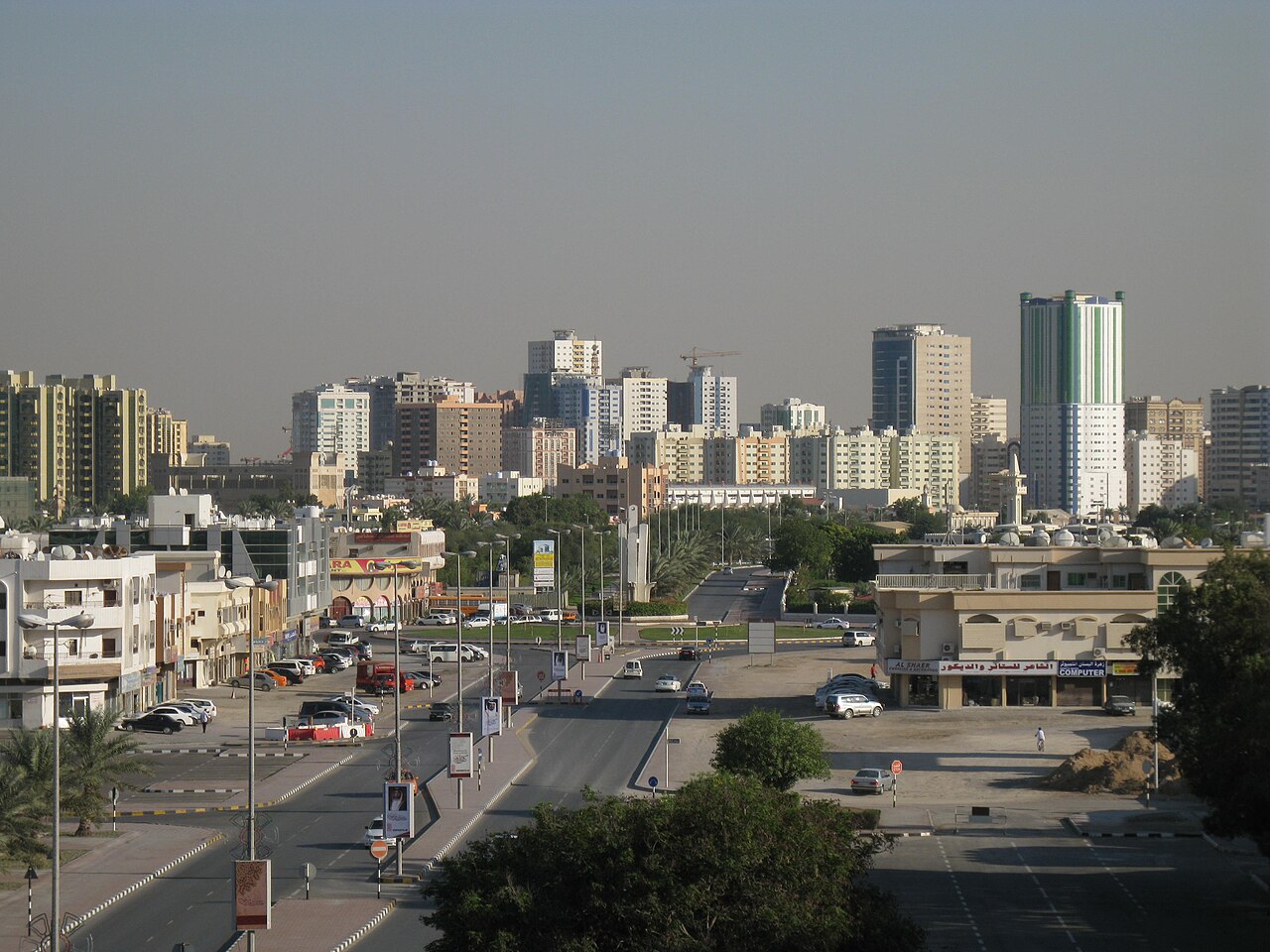
Ajman Free Zone's location is one of its strongest advantages. The free zone is positioned close to Ajman Port, with access to Dubai and Sharjah international airports and major roads. Ajman Free Zone itself highlights proximity to Ajman Port and Dubai and Sharjah airports as a core advantage.
This is especially important for companies involved in: Import and export, E-commerce fulfillment, Wholesale trading, Light manufacturing, Re-export operations, Regional distribution, Product-based startups.
Ajman's position gives businesses access to the Northern Emirates, Sharjah, Dubai, and wider GCC routes without carrying the same operating cost profile often associated with premium commercial districts.
The trade data supports the location argument. In 2025, Ajman Chamber reported that the value of certificates of origin transactions reached AED 7.851 billion, up 52.1% from AED 5.162 billion in 2024. Direct exports reached AED 2.12 billion, while re-exports reached AED 5.73 billion, confirming Ajman's growing role as a regional export and re-export gateway.
A Free Zone Built for Practical Business Activities
Ajman Free Zone is not limited to one niche. Its official setup page states that it offers over 3,500 business activities, covering trading, services, consultancy, industrial, e-commerce, media, freelancing, educational support, event management, digital marketing, and other categories.
This flexibility is valuable because many entrepreneurs do not operate in a single narrow category anymore. A modern e-commerce company may need online retail, marketing, import permissions, warehousing, and logistics coordination. A consultancy may later add training, digital services, or regional representation. A trading business may begin with one product category and later expand into related goods.
Main License Options in Ajman Free Zone
Ajman Free Zone highlights several key license routes: Business License — Suitable for companies involved in storing, importing, exporting, distributing, and trading products, depending on the permitted activity. Industrial License — Designed for businesses that need manufacturing facilities, raw material imports, production activity, and export of finished goods. Sole Professional License — A cost-effective option for freelancers and professionals across approved categories, with co-working space and visa eligibility. This range makes Ajman Free Zone suitable for both asset-light and asset-based businesses.

Infrastructure That Supports Growth, Not Just Registration
One of the mistakes investors make when comparing free zones is focusing only on the license price. The more important question is: can the location support the business after the license is issued?
Ajman Free Zone offers multiple workspace and facility options, including executive offices, furnished offices, business centre space, freelancer and pioneers hub, AI Robotics Hub, E-Commerce Hub, eco-friendly warehouses, standard warehouses, and land for custom-built facilities.
For SMEs, this creates a practical growth path: A consultant can begin with co-working access. An e-commerce business can start virtually and later move into fulfillment support. A trader can begin with a business license and upgrade to warehousing. A manufacturer can move toward industrial space or long-term land leasing once volume justifies investment.
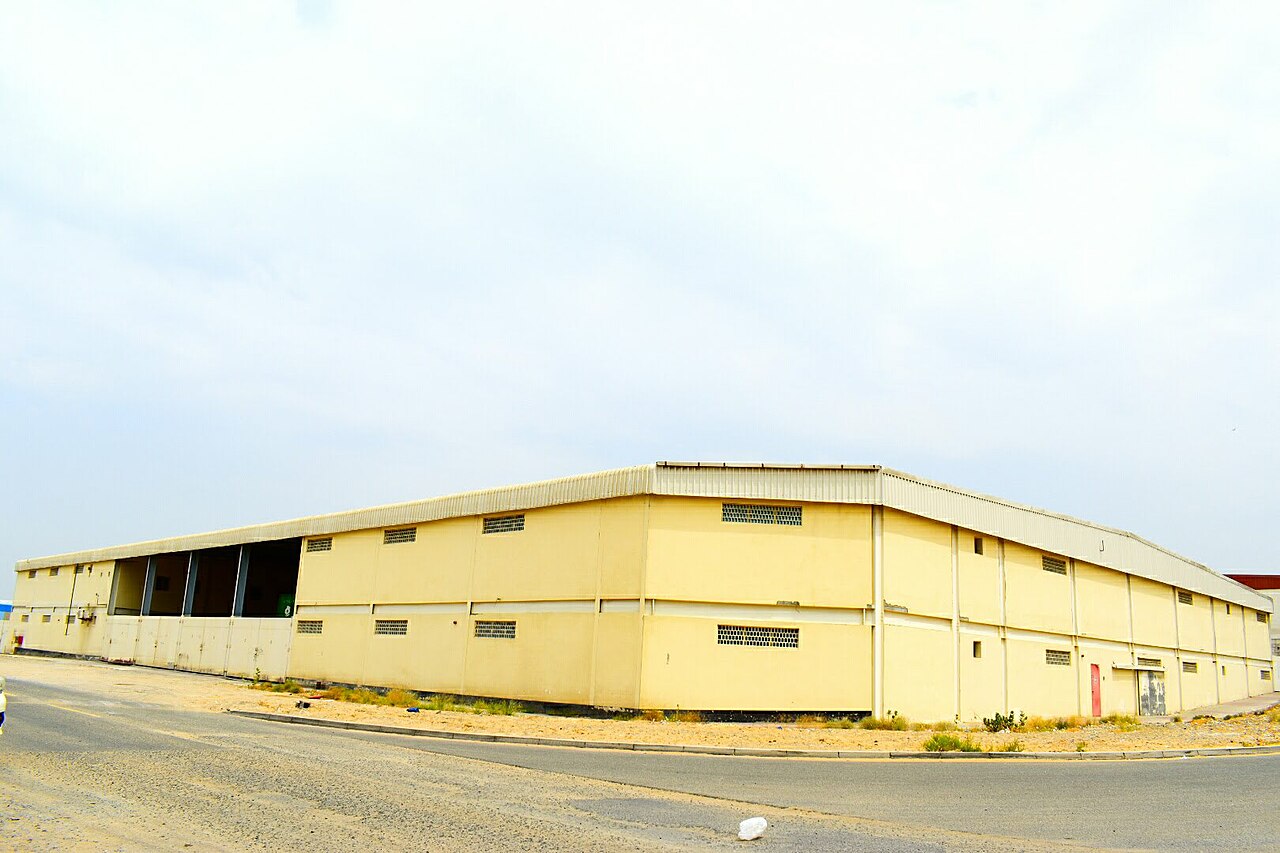
Ajman Free Zone also highlights warehouse options starting from 100 sq. m., land lease options of 20+ years, and eco-friendly warehouses close to Ajman Port and Customs.
Tax and Compliance: The 0% Free Zone Benefit Requires Careful Structuring
Free zones remain attractive partly because of tax efficiency, but UAE corporate tax rules are now more structured than before. Businesses should not assume that every free zone company automatically pays 0% corporate tax on all income.
The UAE Federal Tax Authority explains that a Qualifying Free Zone Person may benefit from 0% corporate tax on Qualifying Income, while non-qualifying taxable income can be subject to the 9% corporate tax rate. The FTA guidance also covers substance requirements, qualifying activities, excluded activities, permanent establishments, and compliance obligations.
This means Ajman Free Zone companies should plan properly from the beginning. Activity selection, customer location, income type, office substance, accounting records, audited financial statements, and transfer pricing may all affect the final tax position.
Practical Compliance Takeaway
A low-cost license is useful, but a wrongly structured company can become expensive later. Before choosing the activity and package, investors should confirm: Whether the planned income may qualify for free zone tax treatment, Whether mainland UAE sales require additional structuring, Whether the company needs customs registration or import-export activity, Whether the business model requires audited financial statements, Whether banking requirements match the license activity. This is why professional setup advice is valuable, especially for companies planning to trade across free zone mainland and international markets.

Ajman Free Zone and UAE Trade Trends: Why Timing Matters
The UAE's trade environment is expanding quickly. In 2025, the UAE's non-oil foreign trade exceeded AED 3.8 trillion for the first time, growing 26.8% year-on-year. Non-oil exports exceeded AED 813 billion, up 45.5% compared with 2024.
For Ajman Free Zone investors, this creates opportunity in several areas. Re-export businesses can use the UAE's connectivity to reach GCC, Africa, South Asia and wider Middle East markets. E-commerce companies can serve UAE customers while building regional delivery channels. Trading companies can benefit from the UAE's expanding Comprehensive Economic Partnership Agreement network and the country's role as a global logistics hub.
Ajman Free Zone becomes attractive when a business wants UAE access but prefers a leaner cost base than more expensive commercial districts.
Who Benefits Most from Ajman Free Zone?
Ajman Free Zone is especially suitable for businesses that need a UAE presence, controlled setup costs, and access to trade or service markets.
Good-fit business types include: E-commerce startups selling through websites, marketplaces, or social platforms, Import-export traders handling consumer goods, industrial products, food items, textiles, auto parts, or general merchandise, Consultants and professional service providers needing a UAE license, visa, and bank account eligibility, Freelancers and solo entrepreneurs looking for a cost-effective legal structure, Light manufacturers and packaging businesses needing access to warehouses or industrial facilities, Regional distributors targeting UAE, GCC, African and South Asian markets.
However, businesses that need heavy mainland retail operations, regulated financial services, or sector-specific approvals should structure carefully before committing.

Setup Process: How Ajman Free Zone Company Formation Works
Ajman Free Zone presents business setup as a simple three-step process: choose the business type, submit documents, and obtain the license. After formalities are completed, the free zone issues the license, bank letter, and registration kit, after which the visa application process can begin.
In practice, investors should approach setup in a more strategic way.
Recommended Setup Roadmap
1. Define the business model clearly — Decide whether the company will sell online, trade goods, provide services, manufacture, import, export, or operate internationally. 2. Choose the right activity — The activity should match real operations, banking expectations, tax treatment and customs requirements. 3. Select the license type — Choose business, industrial, professional, e-commerce, freelance or another suitable category. 4. Confirm facility needs — Decide whether co-working space, virtual office, physical office, warehouse, or land is required. 5. Plan visa requirements — Estimate investor, employee, and family visa needs before selecting the package. 6. Prepare documents — Typical requirements may include passport copies, photos, application forms, proposed company names, shareholder details and business activity information. 7. Apply and receive license documents — Once approved, the company receives official incorporation and licensing documents. 8. Handle post-setup essentials — Open a bank account, register for corporate tax where required, maintain accounting records and arrange customs or import-export permissions if needed.

Key Considerations Before Choosing Ajman Free Zone
Ajman Free Zone is affordable and strategically placed, but investors should understand the operational details before setup.
First, an e-commerce license is not automatically the same as an import-export license. Ajman Free Zone's FAQ states that if an e-commerce license holder wants to import goods, they should apply for a different license with import and export activity.
Second, mainland UAE trading may require additional arrangements, such as a distributor, mainland branch, customs process, or appropriate commercial permissions, depending on the business model.
Third, banking in the UAE has become more compliance-driven. Banks often check whether the license activity, invoices, website, office arrangement, shareholder profile, and expected transactions are consistent. Choosing the cheapest license without considering banking can delay operations.
Finally, free zone tax benefits depend on compliance. The 0% corporate tax benefit is powerful, but only when the company meets the relevant qualifying conditions.

Future Outlook: Ajman's Free Zone Demand Is Rising
Ajman's free zone ecosystem is gaining momentum. In 2025 the Free Zones Authority of Ajman recorded a 216% increase in registered companies compared with 2024, while revenues rose 17% and occupancy rates across investment sites reached 95%.
This trend suggests that Ajman is no longer seen only as a low-cost alternative. It is becoming a serious base for companies that want efficient UAE setup, scalable facilities, and access to trade flows without unnecessary overheads.
As the UAE continues expanding non-oil trade, digital business, logistics, manufacturing, and international investment partnerships, Ajman Free Zone is likely to remain attractive for entrepreneurs who want affordability with real commercial reach.

Conclusion
Ajman Free Zone's strongest value is not simply that it is affordable. Its real advantage is the combination of controlled setup cost, strategic location, flexible licensing, port and airport access, digital processes, and scalable facilities.
For startups, it reduces the cost of market entry. For traders, it offers access to Ajman Port, major roads, and regional re-export flows. For e-commerce businesses, it provides a low-cost UAE base in a market where digital commerce continues to grow. For consultants and freelancers, it creates a practical route to legal operations, visa eligibility, and business banking.
The key is choosing the right structure from the start. A well-planned Ajman Free Zone company can be lean, compliant, and scalable. A poorly structured one may face banking, tax, customs or mainland trading limitations later.
For businesses entering the UAE in 2026, Ajman Free Zone deserves serious consideration not only as a budget-friendly setup option, but as a strategic platform for long-term growth.

Frequently Asked Questions
Yes. Ajman Free Zone is suitable for startups because it offers cost-effective licenses, digital setup co-working options, visa eligibility, and access to UAE trade and banking infrastructure.
Costs depend on activity, visa quota, office type, and package. Ajman Free Zone advertises an e-commerce license package starting from AED 5,555, but exact pricing should be confirmed through the official cost calculator or a setup advisor.
Yes. Ajman Free Zone allows 100% foreign ownership, giving investors full control of the company without needing a local UAE partner.
No. A free zone company may benefit from 0% corporate tax only on qualifying income if it meets the conditions to be a Qualifying Free Zone Person. Non-qualifying income may be taxed at 9%.
It depends on the activity and structure. Some mainland trading may require a distributor, additional approval, customs setup or a mainland entity. The license should be selected carefully before starting operations.