

Almost everyone who asks us about IFZA opens with the same question: what does the licence cost? It is the wrong place to start. The licence is the fastest, cheapest and most forgiving part of the whole exercise. In a clean case you can have one in hand within a few working days.
The expensive mistakes happen after that. A consultant gets his licence, walks into a bank, and is turned down because his registered address is a shared desk and he cannot explain in plain language who is going to pay him or why. Two engineers register a company, win their first project, then find that the activity printed on their licence does not cover the work they just signed for. Someone else assumes a free zone company pays no tax, files nothing and collects a penalty for a deadline they never knew existed.
None of that is IFZA's fault. It happens because people treat company formation as a licensing decision when it is also a banking decision and a tax decision, and those two get made for you if you do not make them yourself.
Why consultants end up at IFZA in the first place
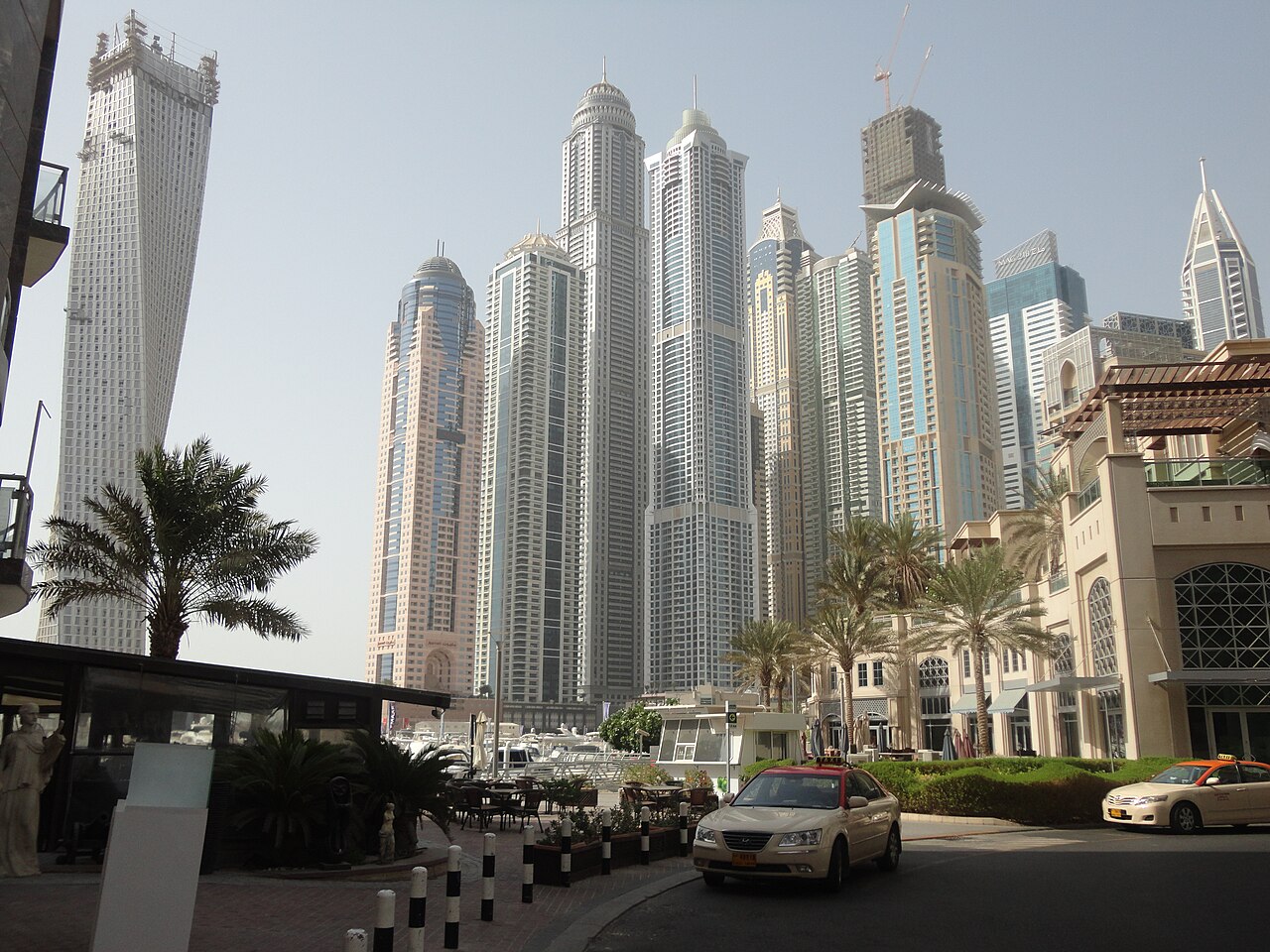
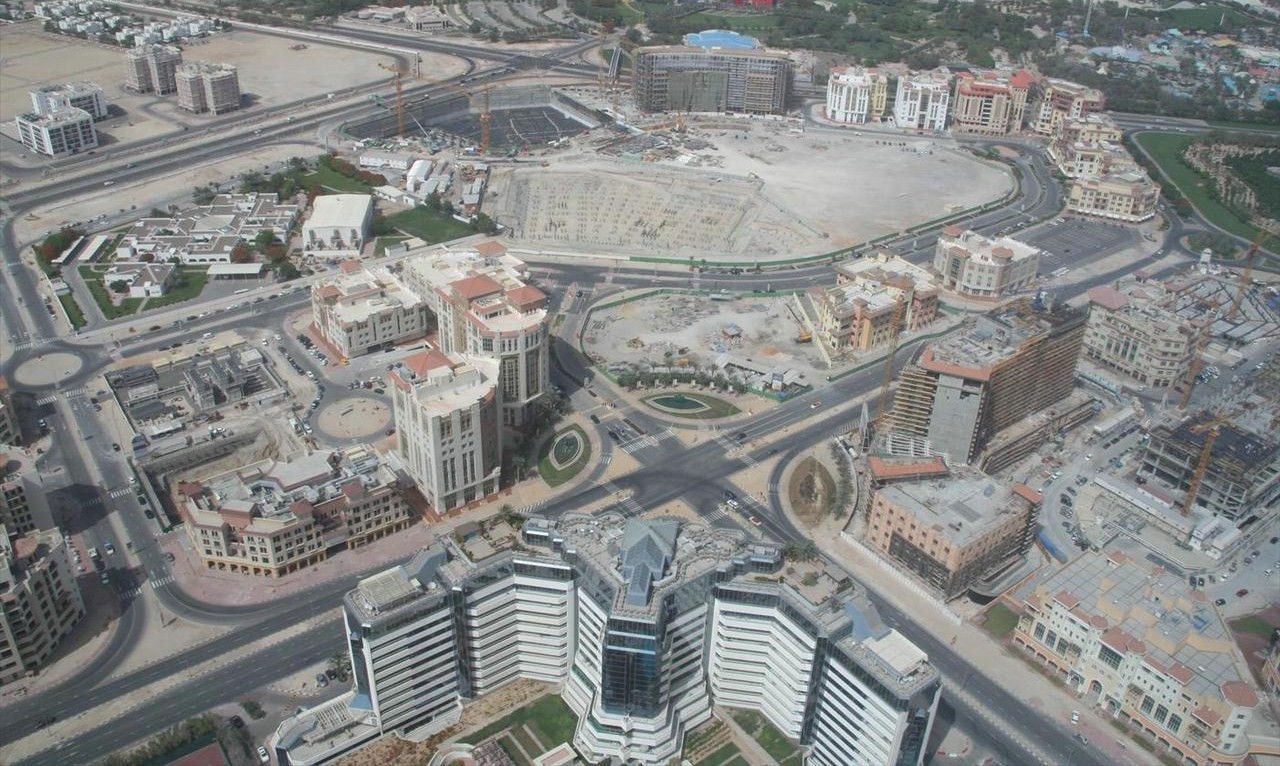
IFZA is in Dubai Silicon Oasis, out towards Academic City. It is not a prestige address the way DIFC is, and it does not carry the trading weight of DMCC. What it has is a service licence that is cheap to obtain, an activity list long enough to cover most advisory work, and no requirement to lease a real office on day one.
For a solo consultant or a two person advisory firm, that combination is hard to argue with. You are selling your judgment and your time. You do not need a warehouse. You need a legal entity, a residence visa, and something a client's procurement team will accept as a valid supplier.
Where IFZA does not work: regulated financial advice, asset management, insurance broking. Those belong in DIFC or ADGM, where a financial regulator is involved and the setup is a different order of cost and complexity. If you intend to advise clients on where to put their money, a free zone service licence will not cover you, and using one anyway is a quick way to attract the wrong kind of attention.
One quirk worth knowing early. IFZA works largely through a network of registered agents rather than dealing with applicants across a counter, so the "IFZA package" you are quoted is usually being quoted by an intermediary. Prices for the same licence vary between agents, and so does the quality of what happens after the licence is issued. The second thing matters more than the discount.
Pick the activity before you pick the package
The activity on your licence is the one decision that shapes everything downstream. It determines whether you need an external approval, whether you have to prove your qualifications, what a bank thinks you do for a living, and whether your invoices line up with your licence when a client's finance team starts checking.
Activities that usually clear without extra approvals
Management consultancy, marketing consultancy, HR consultancy, IT consultancy, business restructuring advice, project management support, corporate training. This is the bread and butter of the free zone service licence, and IFZA generally issues these on the strength of your passport, your application and your payment, occasionally asking for a CV or a degree certificate to show you can plausibly do the work.
Activities that need someone else to sign off first
Engineering consultancy is the classic trap. An engineer picks "engineering consultancy" because that is what he is, then discovers the activity pulls in external approvals in Dubai and often a physical office rather than a flexi-desk. Legal consultancy involving UAE law needs clearance from the relevant legal affairs authority. Health and medical advisory work goes through the Dubai Health Authority. Anything touching investment advice, insurance or lending sits outside the free zone service licence altogether.
The fix is usually simpler than people expect. An engineer who advises on programme delivery, cost control and contractor performance, rather than stamping structural drawings, can often sit under a project management or management consultancy activity and skip the approvals chain entirely. The test is not what your degree says. It is what you deliver and what you write on the invoice.
Structure, shareholders, and how many visas to actually buy
Most consultancies register as an FZCO, the free zone equivalent of a limited company. One shareholder or several, individuals or corporate entities, all workable. If a foreign company will hold the shares, add time to your plan: the parent's corporate documents have to be legalised or apostilled and then attested for UAE use, and that process runs on a foreign government's timeline, not yours. An individual with a passport and no corporate parent is through in days.
The visa quota is where people overspend. IFZA packages bundle the licence with a set number of visa allocations and the price climbs with the quota. It is tempting to buy for the company you hope to have in three years. Do not. A zero visa or single visa package is enough for a founder who is already resident here on another status, or for someone testing the market before relocating. You can amend the package later and add allocations when you have someone to put in them. Paying for visa slots you never fill is money you will not see again.
What actually moves your cost:
- The number of visa allocations, which is the biggest single lever
- The number of business activities, since going beyond the included allowance adds fees
- The facility type, since a flexi-desk is cheaper than a private office but carries consequences at the bank
- Whether you take a one year licence or prepay for two or three, which usually earns a discount
- Whether the shareholders are individuals or companies, since corporate shareholders bring attestation costs
Package prices also shift with promotions, so treat any figure you were quoted six months ago as fiction and get it confirmed in writing.
What the setup process actually looks like
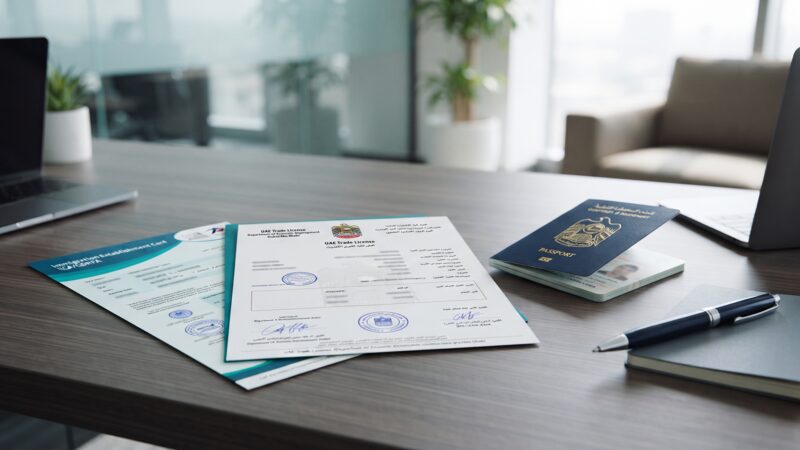
Reserve the trade name first. IFZA rejects names that reference religion or politics or that abbreviate a personal name, and the entity name ends in FZCO. Then submit the application with passport copies, photographs, and the shareholder and manager details. Pay. The licence and the immigration establishment card follow, and in a straightforward case that is days rather than weeks.
The visa is the slower half. Once the establishment card is issued you apply for an entry permit, then either enter the country on it or do a status change if you are already inside the UAE. Medical fitness testing and Emirates ID biometrics come next, and the residence visa is issued after those clear. Two to three weeks is realistic for the immigration leg, longer if the medical flags something or you hit a seasonal backlog.
One thing that catches people already living in Dubai. If you are on an employment visa now, read your contract before you do anything. Holding shares in a free zone company is generally fine, but taking a residence visa through your own company means cancelling the current one, and some employers expect to be asked first. That conversation is much easier before the licence is issued than after.
The bank account is the real gatekeeper
The licence takes days. The bank account can take weeks, and a meaningful share of applications simply fail.
Banks here are under sustained pressure on financial crime compliance, and a one man consultancy with a shared desk address, no local track record and a promise of overseas clients is exactly the profile their systems are built to distrust. The licence tells a bank almost nothing. What they want is a coherent story about money: who pays you, for what, from where, roughly how much, and why any of that is plausible given who you are.
So bring evidence rather than adjectives. A signed contract or a letter of intent from a real client does more for you than a polished business plan ever will. So does a CV showing fifteen years in the sector you claim to advise, or an existing UAE client willing to confirm the relationship, or accounts from a company you ran somewhere else. If your first three clients all sit in jurisdictions the bank treats as high risk, expect friction and prepare to explain it rather than hoping nobody looks.
The digital business banks have made this easier than it used to be. They onboard faster, cost less to run, and are more tolerant of the flexi-desk profile. The trade off is thinner service when something breaks, and in some cases limits on the currencies and payment corridors you can use. If your clients pay in euros from Europe, check that before you open the account rather than after.
What "zero tax" actually means for a consultancy
Here the marketing and the law part company.
The line everybody repeats is that free zone companies pay 0% corporate tax. In fact a free zone company gets 0% only on income the law defines as qualifying, and general consultancy sold outside the free zones is not on that list. Advice sold to a mainland UAE company is not qualifying income. Advice sold to a client in London is not qualifying either, because the test is not where the client sits, it is whether the activity itself is one the law rewards. Consultancy sold to another free zone company can qualify. Most consultants do very little of that.
There is a small allowance for non qualifying revenue, and breaching it does more than cost you tax for one year. You lose the preferential status for the current tax period and the four that follow, which is a slow and expensive thing to unwind.
So most small consultancies land in one of two places. Either they accept the ordinary position and pay nothing on the first AED 375,000 of taxable profit and 9% above it, or they elect Small Business Relief, which removes taxable income altogether while revenue stays under AED 3 million. Small Business Relief is the common answer for a founder billing below that line, but it is time limited and you cannot combine it with free zone qualifying status. You pick one.
Registration is separate, mandatory, and has a deadline. A new company has a short window from incorporation to register for corporate tax, and missing it carries a fixed penalty whether or not you earned a dirham. We see it every year: someone sets up a licence, does no trading, assumes there is nothing to file, and pays for the assumption.
VAT is its own question. You register once your taxable supplies cross the threshold, and consultancy exported to clients genuinely outside the UAE can often be zero rated, though the conditions are narrower than most people assume and the burden of proving you met them is yours.
The tax rules have moved several times since 2023 and they will move again. Treat everything above as a map of the terrain rather than the final word, and have a UAE tax adviser confirm your specific position before you build a pricing model on top of it.

Serving mainland clients from a free zone licence
A free zone licence permits you to operate from the free zone. It does not authorise you to run a business physically inside mainland Dubai, and that distinction confuses nearly everyone.
In practice, a consultant with an IFZA licence who advises a mainland client, does the work from his desk in Silicon Oasis or in the client's boardroom, and invoices from the free zone entity, is doing something entirely ordinary. What you cannot do is open a mainland office, staff it, and run the operation from there on a free zone licence.
Where it bites is procurement. Some government entities and large local groups will only contract with a mainland licensed supplier, and no amount of arguing about the spirit of the rules will get you past their vendor onboarding form. If that segment is your target market, you will need either a mainland branch of the free zone company or a mainland licence outright. Far cheaper to know that before you register than to restructure a year in.
What you still owe after the first year
A licence is an annual commitment, not a one off purchase. The recurring obligations for a small IFZA consultancy:
- Renew the licence each year, together with the flexi-desk or office agreement it depends on
- Renew the immigration establishment card and the residence visas of everyone on your quota
- File a corporate tax return within nine months of your financial year end, whether or not you owe anything
- Keep proper books, and obtain audited accounts if you intend to claim free zone qualifying status
- Keep the ultimate beneficial ownership register current and notify the free zone when shareholding changes
- Provide health insurance for every employee you sponsor, which Dubai requires
- Issue employment contracts through IFZA rather than the mainland labour ministry
None of this is difficult. All of it is easy to forget, and late fees accumulate quietly while you are busy doing the work you set the company up to do.
Getting the boring parts right
The consultancy that runs cleanly in IFZA for five years and the one that stalls in month three often start out looking identical. Same activity list, similar package, comparable founder. The difference is that one of them decided in advance what the business would actually do, told the licence and the bank the same story, and treated the tax registration deadline as a date rather than a rumour.
The direction of travel here is not hard to read. Corporate tax has arrived, the substance requirements that come with free zone status are not decorative, and banks have far less appetite than they once did for companies that exist on paper and nowhere else. The cheap shell era is closing, which suits consultants who came here to actually work. It does mean whatever you register this month has to hold up in front of a bank, a tax return and, eventually, somebody's due diligence questionnaire.
So get the activity right. Buy the visa quota you need rather than the one you picture yourself needing. Put the tax registration deadline in the calendar the week the licence lands. The rest you can fix as you go.
If you want the specifics for your own situation, the IFZA Dubai page sets out current packages, activity options and what the process looks like end to end.
Frequently Asked Questions
No. Most consultancy packages include a flexi-desk, which satisfies the licensing requirement. A shared desk address does make bank onboarding harder, and it gives you less to point to if your free zone tax status is ever questioned. If a small private office is affordable, it solves both problems at once.
The licence takes a few working days once documents and payment are in. The residence visa adds roughly two to three weeks on top, covering the entry permit, medical, Emirates ID and stamping. The bank account is the wildcard and can run from one week to two months depending on the bank and your profile.
Yes. You can advise mainland clients and invoice them from your free zone entity. What you cannot do is set up a physical operation inside the mainland on a free zone licence. Note that some government tenders and large local groups will only buy from a mainland licensed supplier, so check your target clients' procurement rules before you commit.
Probably, once you are profitable. Consultancy sold outside the free zones does not usually count as qualifying income, so the 0% free zone rate rarely applies to advisory work. Most small firms either pay 9% on taxable profit above AED 375,000 or elect Small Business Relief while revenue stays under AED 3 million. Confirm your position with a UAE tax adviser.
Usually you can hold shares while employed. Taking a residence visa through your own company is complicated because it means cancelling your current one. Check your employment contract for non-compete and outside business clauses and speak to your employer before you register, not after.