
Starting a business in the UAE has become more attractive than ever but for many entrepreneurs the first question is not Why Dubai? It is How can I start without overspending?"
That is exactly where IFZA Dubai stands out. For consultants, digital service providers, e-commerce founders, trading businesses and overseas investors, IFZA offers a practical route into the UAE without the heavier overheads often linked with traditional office leases, local sponsorship models or complex approvals.
The timing also matters. The UAE's business environment continues to show strong momentum. The Central Bank of the UAE estimated real GDP growth at 5.6% in 2025 and projected a similar pace for 2026, supported by non-hydrocarbon sectors such as financial services, manufacturing and construction. Dubai's private-sector activity is also expanding: 70,500 new companies joined Dubai Chamber of Commerce in 2024 bringing total active members to 258,318.
For business owners, this means IFZA Dubai is not just a low-cost registration option. It is a way to enter one of the region's strongest commercial ecosystems with controlled startup costs, international ownership flexibility and room to scale.
Why IFZA Dubai Matters in the UAE's 2024–2026 Business Climate
The UAE is competing globally for entrepreneurs, investors and skilled professionals. In 2024, the country attracted AED 167.6 billion, or USD 45.6 billion in foreign direct investment inflows and ranked 10th globally for inbound FDI. It also ranked second worldwide for announced greenfield FDI projects, with 1,369 new projects.
This matters because free zones such as IFZA are part of the infrastructure that makes the UAE accessible to smaller businesses as well as global companies. The UAE's SME sector already represents 94% of companies operating in the market and contributes 63.5% to non-oil GDP, showing that smaller businesses are not peripheral; they are central to the country's economic model.
Dubai's D33 Economic Agenda adds another layer of confidence. The agenda aims to double Dubai's economy over a decade, with AED 32 trillion in economic targets, AED 25.6 trillion in foreign trade, and AED 650 billion in FDI over ten years. For a founder, this signals long-term policy support for trade, digital services, investment, and cross-border business.
What Is IFZA Dubai Setup?
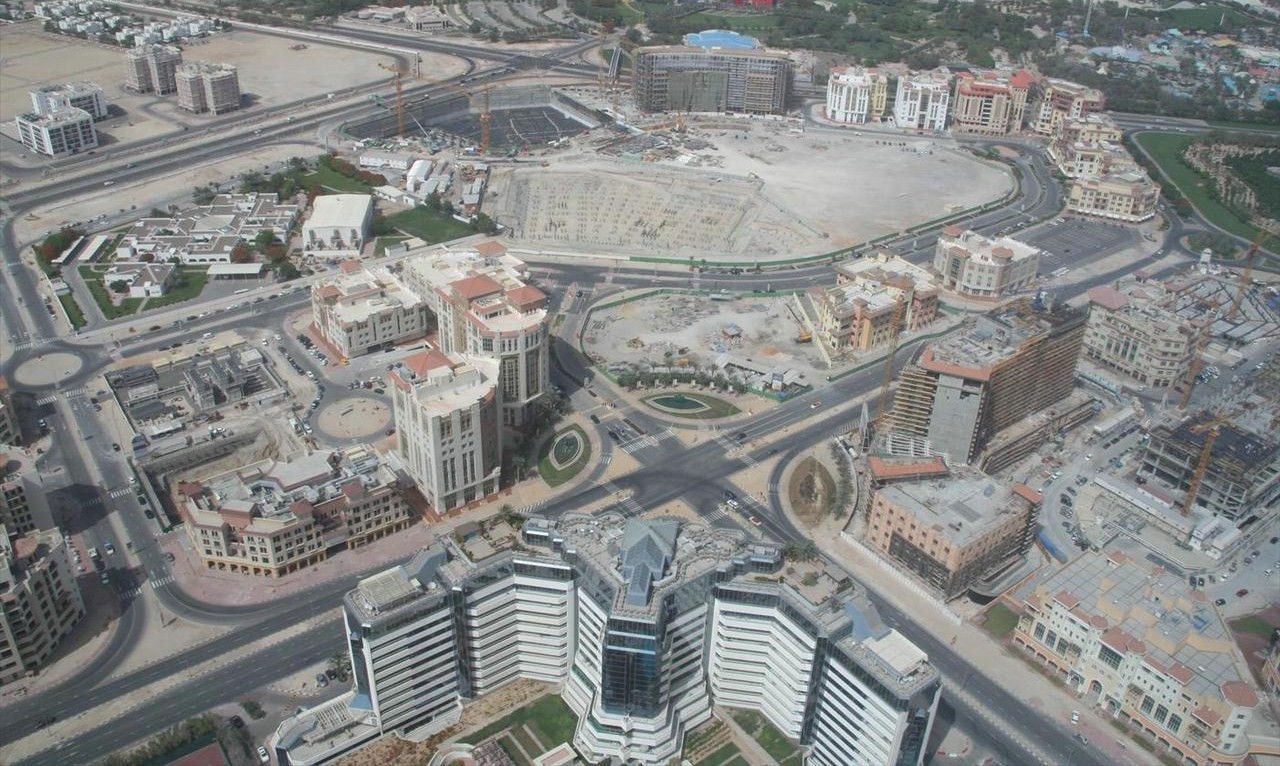
IFZA, the International Free Zone Authority, is a Dubai-based free zone community headquartered in Dubai Silicon Oasis. IFZA describes itself as a free zone offering business-friendly regulations, infrastructure and incorporation support for foreign investors.
Through IFZA, entrepreneurs can apply for business licenses suited to different activities. Common options include professional licenses for service and consultancy businesses, commercial licenses for trading, import, and export activities, and branch registrations for foreign companies expanding into the UAE. IFZA lists professional, commercial, and branch options among its license structures.
For many founders, the appeal is simple: IFZA allows 100% foreign ownership, 100% repatriation of capital and profit, fast incorporation, no physical presence requirement during incorporation, and flexibility to combine multiple activities under one license.

Why IFZA Can Be a Cost-Effective Setup Option
Cost-effectiveness is not only about the cheapest license fee. A smart setup reduces unnecessary fixed costs, avoids future amendments, and gives the business enough flexibility to grow without restructuring too early.
Lower Entry Costs for Lean Businesses
A consultant, marketing agency, software provider, or online service business may not need a large office on day one. IFZA is attractive because some free zone structures allow virtual setups or flexi-desk options, which can reduce early operational costs compared with committing to a larger physical space before the business has stable revenue. This is especially useful for founders who want to test the UAE market, sign regional clients, or create a UAE-based company for international invoicing before hiring staff locally.
Multiple Activities Under One License
One of IFZA's strongest cost advantages is activity flexibility. IFZA states that a business license includes up to three business activity groups within the standard fee, and additional activities can be added separately if needed. For example, a digital entrepreneur may want to offer marketing consultancy, e-commerce management, and design services. Instead of forming separate companies or amending the license too soon, the founder can structure the license carefully from the beginning.
Remote Setup Saves Time and Travel Costs
Non-resident founders can start and manage a Dubai free zone company without relocating immediately. IFZA notes that the setup process can be handled digitally and that business owners can operate while based abroad. It also clarifies that a UAE residence visa is separate from the business license, so a founder can own a free zone company without applying for residency at the start. That flexibility can be valuable for overseas entrepreneurs who want UAE market access but are not ready to move their family, hire employees, or rent a full office.

Main Cost Factors to Plan Before Applying
The final IFZA setup cost depends on the structure, not just the free zone name. Entrepreneurs should calculate the full first-year and renewal cost before choosing a package.
Key cost factors include: License type: Professional, commercial, general trading, or branch structures can affect pricing and approvals. Business activities: Choosing the right activities early helps avoid amendments and payment delays from clients or banks. Visa requirements: A visa-free setup may suit non-resident owners, while companies hiring staff need visa allocation. Workspace needs: Flexi-desk, shared office, and dedicated office options affect annual costs. Shareholder structure: Individual and corporate shareholders may require different documents and processing. Banking and compliance: Corporate bank account preparation, bookkeeping, VAT review, and corporate tax registration should be budgeted from the start.
The mistake many founders make is choosing the cheapest package without checking whether it supports banking, visa needs, client contracts, or future expansion. A slightly better-matched license can save money over 12–24 months.

Who Benefits Most from IFZA Dubai?
IFZA is particularly suitable for businesses that want international ownership, controlled overhead, and a UAE presence without immediately building a large local operation.
Consultants and Professional Service Providers
IFZA offers professional license options for service-related businesses and states that it provides access to over 800 activities for licensees. This can suit management consultants, IT consultants, marketing specialists, designers, trainers, and business advisors. A UK-based consultant, for instance, may use an IFZA professional license to invoice GCC clients, build a Dubai presence, and later apply for residency once the business justifies relocation.
E-Commerce and Digital Businesses
Online sellers, digital agencies, and platform-based businesses often need flexibility more than physical premises. IFZA's remote setup model and activity-combination options can work well for businesses that operate internationally while using Dubai as a commercial base.
Trading and Import-Export Businesses
Commercial licenses can support trading, import, and export activities, but founders should be clear about where they will sell. A free zone company is often strong for international trade and B2B operations, while direct mainland retail activity may require additional permissions, distributors, or a mainland structure depending on the model.
Foreign Companies Opening a UAE Branch
International companies that want a UAE presence without forming an entirely separate operating model may consider branch registration. This can be useful for testing regional demand, hiring locally, or supporting Middle East clients from Dubai.

IFZA Setup Process: Practical Steps
A smooth setup usually depends on preparation. Before submitting an application, founders should align the license, activities, visa needs, and banking profile.
Typical steps include: Define the business model: Decide whether the company will provide services, trade goods, operate online, or act as a branch. Choose the right activities: Match the license activities to actual invoices, contracts, and banking needs. Select the license package: Consider visa quota, workspace, activity groups, and renewal cost. Prepare shareholder documents: Passports, photos, visa or Emirates ID if applicable, and corporate documents for company shareholders. Submit the application: Apply through the IFZA process or an approved business setup consultant. Receive the license: Once approved, the company can proceed with banking, tax registration, and operational setup. Apply for visas if needed: Owners and employees can apply depending on the package and eligibility. Open a corporate bank account: Prepare a business plan, client profile, supplier details, and expected transaction flows.
The banking stage deserves special attention. UAE banks increasingly look for substance, clear business activity, source of funds, and realistic transaction expectations. A license alone does not guarantee quick bank approval; the company profile must make commercial sense.

Tax and Compliance: Low Cost Does Not Mean No Rules
The UAE remains tax-competitive, but business owners should avoid the outdated assumption that all free zone income is automatically tax-free.
Under the UAE corporate tax framework, Qualifying Free Zone Persons may benefit from a 0% corporate tax rate on qualifying income, while non-qualifying income can be subject to 9% corporate tax. The Federal Tax Authority also clarified that free zone businesses must understand qualifying activities, excluded activities, adequate substance, and compliance requirements.
This makes early planning important. A company should know whether its income is from free zone clients, mainland clients, foreign clients, related parties, trading activities, services or intellectual property. The classification can affect tax treatment.
For practical purposes, every IFZA company should plan for: Proper accounting records. Corporate tax registration and return filing. VAT review if turnover reaches the applicable threshold. Bank-compliant invoices and contracts. Renewal and license activity updates.
The companies that stay compliant from the first year usually find banking, renewals and expansion much easier.

IFZA vs Mainland: Choosing Based on Revenue Model
IFZA is often attractive for international businesses, consulting firms, online companies and lean startups. Mainland setup may be more suitable when the company needs unrestricted direct access to UAE mainland customers, government contracts, certain regulated activities, or a physical retail presence.
The best choice depends on where revenue will come from. A digital agency serving overseas clients may find IFZA highly efficient. A restaurant, construction contractor, or local retail shop may need a mainland license. A trading company may need to compare free zone warehousing, customs, distributor arrangements, and mainland sales requirements before deciding.
In other words, IFZA is cost-effective when it matches the operating model. It becomes expensive only when founders choose it without checking activity scope, client geography, or future licensing needs.

How to Reduce Setup Costs Without Creating Problems Later
The smartest way to save money is not to cut every cost. It is to avoid paying twice.
First, choose business activities based on what the company will actually invoice. If the activity is too narrow, banks or clients may question payments. If it is too broad or unrelated, approvals and compliance can become more complicated.
Second, do not apply for visas unless they are needed immediately. Since ownership and residency are separate, some non-resident founders can start with a license and add residency later when relocation or hiring becomes necessary.
Third, prepare for banking before applying. A simple business plan, expected client regions, supplier list, website or portfolio and projected turnover can make the bank account process more credible.
Finally, think beyond year one. Renewal fees, visa renewals, accounting, tax filing, and office upgrades are part of the true cost of business ownership in Dubai.

Conclusion: IFZA Dubai Is Built for Lean, Global Entrepreneurs
IFZA Dubai has become a strong option for entrepreneurs who want business ownership in the UAE without unnecessary early overhead. Its value is not only in setup affordability it is in the combination of 100% foreign ownership, remote incorporation, flexible activities, scalable visa options and access to Dubai's wider commercial ecosystem.
The UAE's direction is clear: more non-oil growth, more FDI, more digital trade, and more support for SMEs. For founders, that creates a valuable opening. A well-structured IFZA company can start lean, operate internationally, and scale into the UAE market when the timing is right.
The key is to treat setup as a business decision not just a registration form. When the license activity, visa plan, tax position, banking profile and long-term revenue model are aligned, IFZA Dubai can be one of the most cost-effective paths to business ownership in the UAE.

Frequently Asked Questions
Yes. IFZA is suitable for consultants, digital businesses, e-commerce founders, trading firms, and startups that want a UAE company with controlled overhead.
Yes. IFZA free zone companies allow 100% foreign ownership, so a local sponsor is not required.
No. IFZA setup can be handled remotely, and a residence visa is separate from the business license.
No. Qualifying Free Zone Persons may receive 0% corporate tax on qualifying income, while non-qualifying income can be taxed at 9%.
IFZA can reduce startup costs through remote setup, flexible license activities, 100% ownership, visa-free options, and lower office requirements for eligible businesses.