The UAE is still one of the hardest markets in the region to ignore. In 2024, the country attracted US$45.6 billion in foreign direct investment, a 49% year-on-year increase, officially placing it among the world's top 10 FDI destinations. Against that backdrop, RAKEZ recorded nearly 19,000 new company registrations in 2025, up 44% from 2024, and said it had grown to a community of more than 40,000 companies. That matters because founders do not just want a low-cost licence anymore. They want a jurisdiction that can start small, scale up, and still make sense under the UAE's new compliance and tax rules.
RAKEZ, or Ras Al Khaimah Economic Zone, has become part of that conversation because it sits in an interesting middle ground. It is not positioned only for freelancers and micro-businesses, and it is not limited to heavy industry either. RAKEZ presents itself as a multi-sector platform across 50+ sectors, with options for free zone entities, non-free zone entities, and branches, plus workspace choices ranging from coworking and offices to warehouses and land for development. That breadth is the real reason it is viewed as flexible.
Why flexibility matters more than ever in the UAE
A few years ago, many entrepreneurs chose a free zone mainly for three reasons: speed, full ownership, and the idea of "tax-free" business. In 2026, that decision is more nuanced. The UAE still offers major commercial advantages, but founders now have to think about corporate tax registration, qualifying income rules, audited financial statements, transfer pricing, VAT, and a more structured compliance environment. The best setup is no longer the cheapest setup on day one. It is the one that still works when the business adds staff, opens warehousing, trades with mainland customers, or attracts outside investors.
That is where RAKEZ has a practical advantage. It lets founders start with a lighter footprint, then move into bigger facilities or a more complex operating model without changing ecosystems entirely. For many SMEs, that continuity is more valuable than a flashy headline setup cost.
What makes RAKEZ genuinely flexible
It offers more than one business structure
One reason RAKEZ stands out is that it does not force every company into the same mould. Its official setup options include free zone entities, non-free zone entities, and branches, and its legal-entity page lists structures such as Free Zone Limited Liability Company (FZ-LLC) with 1 to 50 shareholders, alongside mainland-style options like individual establishments and LLCs. For businesses that expect to evolve from founder-led to partner-backed, that matters. This also changes the conversation from "Which licence is cheapest?" to "Which structure matches the revenue model?" A solo consultant, a regional trading company, and a light manufacturer may all choose RAKEZ, but they should not choose the same entity or facility package. That is exactly the kind of flexibility serious founders need.
It scales from desk-based startups to industrial operations
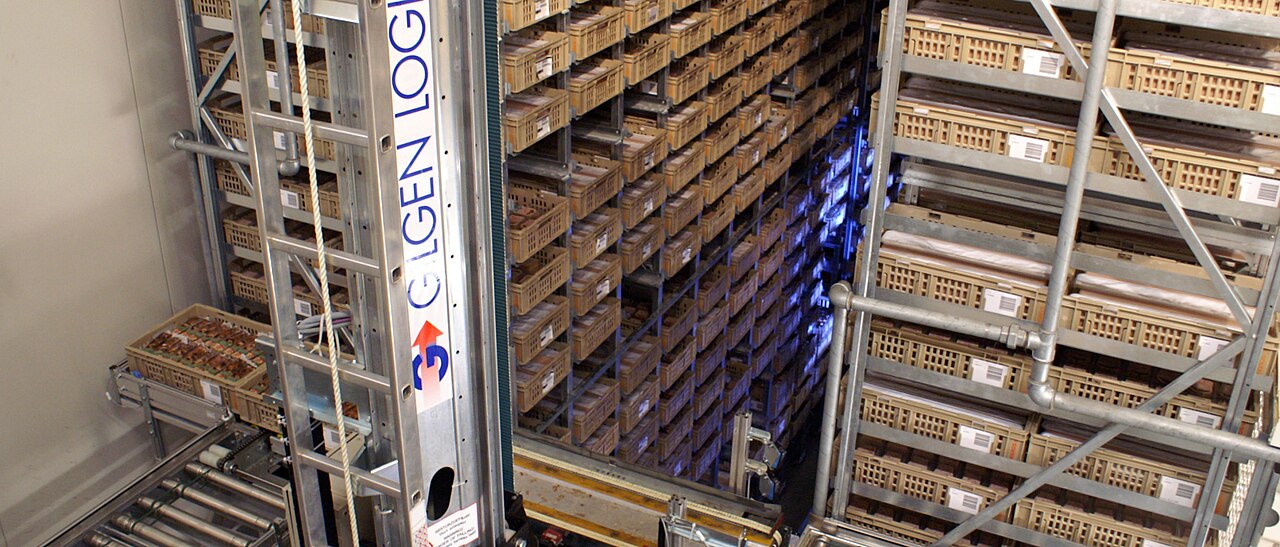
RAKEZ's facility mix is wider than many people expect. Its official facilities page includes serviced offices, standard offices, executive offices, warehouses, and land plots. In its Al Hamra Industrial Zone, RAKEZ says land plots start from 5,000 m², while warehouses range from 150 m² to 10,000 m². That means a business can start with a small administrative base and later move into storage, assembly, or light industrial use without relocating to a new authority. For a UAE business, that is not a small point. The difference between a licence that only looks good on paper and one that supports real growth usually shows up in physical operations: storage, staffing, logistics flow, customs handling, and facility compliance. RAKEZ's infrastructure menu is one of its strongest arguments.
It still competes aggressively on entry cost and speed
At the time of writing, RAKEZ's official offers page advertises multiple price points rather than a one-size-fits-all package. Those include an all-inclusive business setup package for AED 14,000, a 24-hour setup offer from AED 6,000, and a designated-zone package starting from AED 16,550 annually, including one UAE residence visa. On another RAKEZ setup page, the authority also references an all-inclusive package at AED 16,500, which suggests entrepreneurs should treat pricing as promotional and package-dependent rather than fixed. That pricing spread is actually part of the flexibility story. RAKEZ is not only selling "cheap." It is selling choice: fast entry, visa-inclusive setup, designated-zone positioning, and infrastructure-led packages. For founders comparing UAE options, that is more useful than a single headline fee.
RAKEZ is strongest when market access is planned properly
A common misunderstanding about free zones is that they automatically work for every type of UAE trading model. They do not. RAKEZ's own guidance notes that free zone companies are typically restricted from operating directly outside their designated zone on the mainland unless they obtain the required permission and then meet the relevant Department of Economic Development licensing requirements.
At the same time, RAKEZ also promotes a Dual License structure that can combine commercial and professional activities and support operations in both free zones and the mainland. That makes RAKEZ more commercially adaptable than a basic free zone setup that leaves mainland strategy as an afterthought.
This is where many setup decisions go wrong. Entrepreneurs hear "free zone" and assume they can sort out mainland selling later. In reality, mainland access should be designed from the start. If your revenue will come mainly from direct UAE onshore customers, that decision affects licensing, tax treatment, distribution structure, and sometimes even banking expectations.
Logistics are part of the value, not just the licence
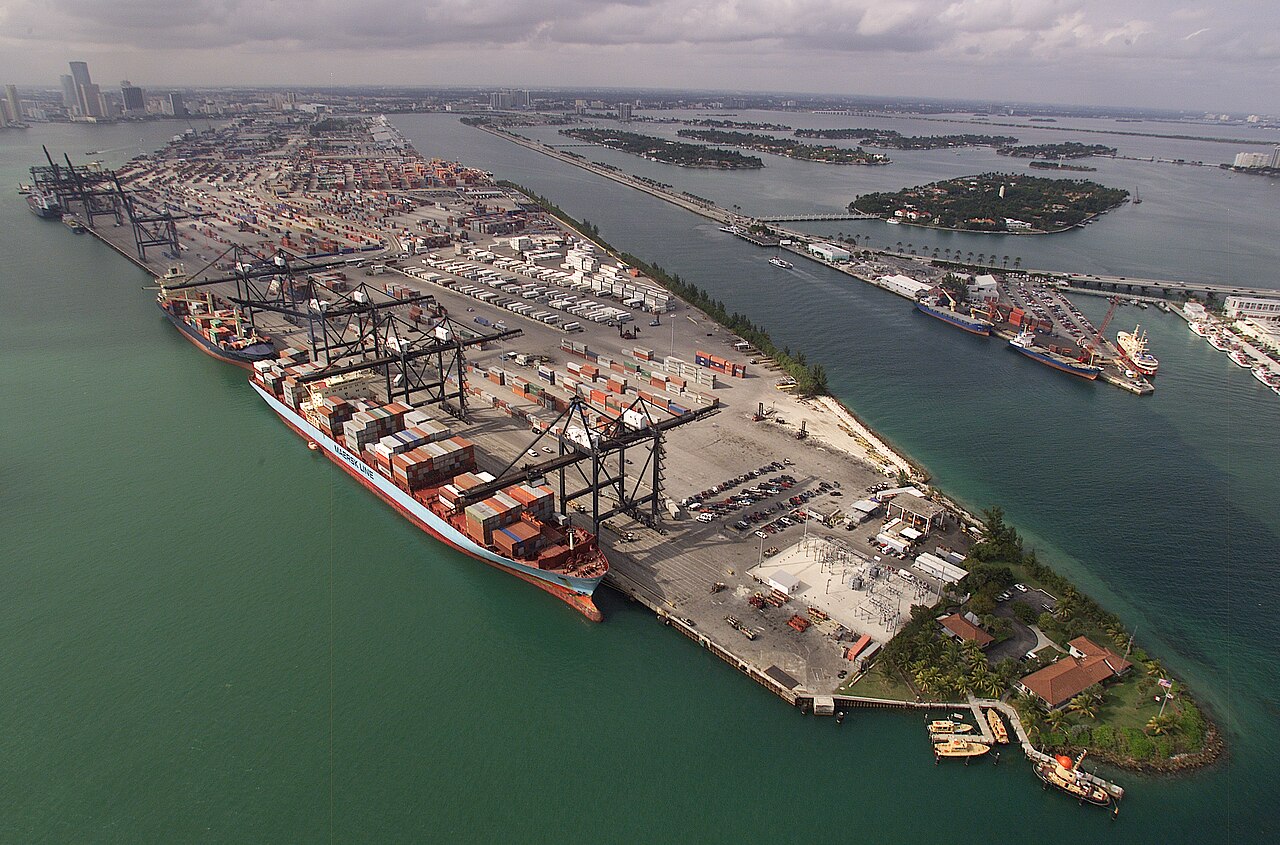
RAKEZ benefits from Ras Al Khaimah's broader operating environment. RAK Ports describes itself as a key maritime gateway for import and export activity, supporting the emirate's industrial, manufacturing, and construction sectors. On the air side, Ras Al Khaimah International Airport handled 1,000,303 passengers in 2025, passing the one-million mark for the first time. That does not make RAKEZ a port or an airport authority, but it does strengthen the case for businesses that care about movement of goods, regional access, or an expanding commercial ecosystem outside Dubai's cost base.
For trading, e-commerce fulfillment, warehousing, and light manufacturing, this matters more than brochure language. A flexible free zone is not just about ownership rules. It is about whether the jurisdiction supports a real supply chain.
The tax question founders cannot afford to misunderstand
A free zone company is not automatically tax-free
This is the single most important point in any 2026 setup discussion. The UAE Ministry of Finance makes clear that Free Zone Persons are within the scope of Corporate Tax and must comply with the law. A Free Zone Person may benefit from 0% Corporate Tax on Qualifying Income only if it meets the conditions to be treated as a Qualifying Free Zone Person (QFZP). The Federal Tax Authority's guide also states that a QFZP is taxed at 0% on Qualifying Income and 9% on Taxable Income that is not Qualifying Income. That is why RAKEZ should be sold as a flexible option, not a "guaranteed tax-free" option for everyone. The commercial structure still has to match the tax rules.
The compliance conditions are now part of the setup decision
The FTA's guide lays out the conditions for QFZP status, including adequate substance in a free zone, compliance with the arm's length principle, transfer pricing documentation, audited financial statements, and the de minimis rule on non-qualifying revenue. The 2024 FTA guide states the de minimis threshold as the lower of AED 5,000,000 or 5% of total revenue. The 2025 Ministerial Decision No. 229 reaffirmed that threshold and also confirmed that audited financial statements remain a condition. If a business fails the criteria, it can cease to be a QFZP from the start of that tax period and for the following four tax periods. In plain English, this means founders should choose their activity, customer mix, and operating footprint with tax eligibility in mind from day one. That is especially true for businesses expecting mainland revenue, mixed service lines, or related-party structures.
The 2025 rules made activity selection more strategic
Ministerial Decision No. 229 of 2025 is especially important for RAKEZ users because it spells out the types of activities that can qualify. The list includes manufacturing, processing, trading of qualifying commodities, headquarter services, treasury and financing services to related parties or for own account, distribution of goods in or from a designated zone, and logistics services. It also lists excluded activities such as banking, much of insurance, much of finance and leasing, and some real-estate-related income. That makes RAKEZ particularly interesting for operators in trading, logistics, warehousing, distribution, and industrial activity, because those are precisely the models where its facility mix and the UAE's qualifying-income rules can align.
Who RAKEZ fits best
RAKEZ tends to make the most sense for businesses that need room to grow but do not want to overbuild on day one:
Solo founders, consultants, and service businesses that want a lower-cost UAE entry point, visa pathways, and office or coworking options, while keeping open the possibility of adding more activities later.
E-commerce, trading, and distribution businesses that may start lean but later need warehousing, designated-zone planning, or dual-license support for broader UAE operations.
Light industrial and manufacturing companies that need larger plots, warehouses, and a location tied to ports and cargo movement rather than premium city-office real estate.
Regional groups opening branches or support companies that want a multi-sector jurisdiction with scale, rather than a micro free zone built only for licence issuance.
RAKEZ is usually less straightforward for businesses whose main model is frequent direct mainland retail or consumer-facing onshore sales from day one. In those cases, a mainland structure, or a carefully planned dual-license approach, may be commercially cleaner.
What smart founders should check before signing
Before committing to a RAKEZ package, the better question is not "How fast can I get licensed?" It is "Will this structure still work when revenue starts flowing?"
A practical diligence checklist looks like this:
Map your revenue by source: free zone clients, mainland clients, export clients, and related-party revenue can affect tax treatment.
Choose the activity code carefully: qualifying versus excluded activity classification now has direct tax consequences.
Match the facility to the business model: flexi-desk, office, warehouse, or land should reflect actual operations, not just the lowest initial fee.
Plan mainland access early: if onshore sales are part of the model, design for that before launch.
Budget for compliance, not just setup: corporate tax registration is required for taxable persons, returns are generally due within 9 months of the period end, and VAT remains 5% at the standard rate where applicable.
That last point is where inexperienced founders often miscalculate. The cheapest setup can become the most expensive one if it creates restructuring work a year later.
Conclusion
RAKEZ is a flexible option for business in the UAE not because it is merely affordable, but because it gives companies multiple ways to start, operate, and scale. It combines entity choice, facility depth, fast-track entry offers, industrial capacity, and a credible position inside a fast-growing UAE investment market.
But the strongest reason to choose RAKEZ in 2026 is also the least glamorous one: it can support a business model that is designed properly from the beginning. In today's UAE, the winners are not the founders who buy the cheapest licence. They are the founders who align activity, tax treatment, market access, facilities, and compliance from day one. For the right type of company, RAKEZ gives them enough flexibility to do exactly that.
Frequently Asked Questions
RAKEZ Free Zone is a business hub in Ras Al Khaimah that offers company formation, licensing, offices, warehouses, and industrial facilities for different business types.
RAKEZ is considered flexible because it supports startups, traders, consultants, manufacturers, and growing companies with different licence and facility options.
Yes, foreign investors can have 100% ownership of a company set up in RAKEZ Free Zone.
Yes, RAKEZ is a practical option for small businesses because it offers cost-effective setup packages and scalable workspace solutions.
RAKEZ companies can access mainland business opportunities, but they may need extra approvals or a suitable legal structure depending on the activity.
RAKEZ offers flexi-desks, offices, warehouses, and industrial land for businesses with different operational needs.
Yes, RAKEZ can be a strong option for trading businesses, especially those that need warehousing, logistics support, or regional market access.
Yes, RAKEZ offers setup packages that can include UAE residence visa eligibility, depending on the package and company structure.
No, RAKEZ is not only for large industrial companies. It also supports freelancers, service providers, SMEs, and branch offices.
Businesses should review their activity type, expected customer base, facility needs, mainland access plans, and tax compliance requirements before choosing RAKEZ.