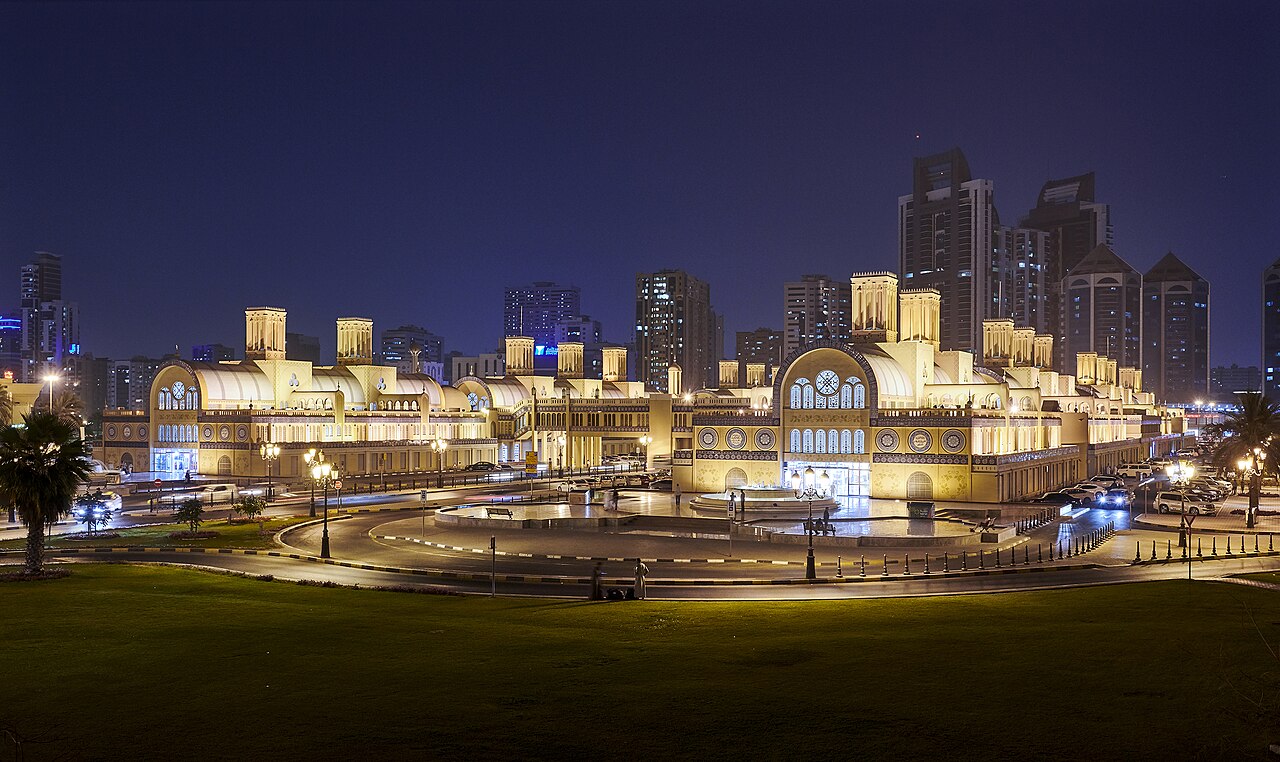
Modern businesses rarely fit into one neat category anymore. A single company may sell products online offer consulting, publish digital content, import goods, manage social media campaigns and serve clients across several countries. That is why choosing the right UAE free zone license is no longer just an administrative step; it directly affects how fast a business can launch, what activities it can legally perform, how easily it can scale and whether it can stay compliant as revenue grows.
Sharjah SPC Free Zone, officially known as Sharjah Publishing City Free Zone, has become relevant because it reflects this shift. It started with strong roots in publishing and media, but today it supports a broader range of entrepreneurs, digital businesses, trading companies, service providers, and international SMEs looking for a cost-effective UAE base.
The timing also matters. The UAE's non-oil GDP grew 6.1% in the first nine months of 2025, exceeding AED 1 trillion, while total GDP reached around AED 1.4 trillion. Wholesale and retail trade, manufacturing, finance, construction, and real estate remained major contributors to non-oil GDP, showing that opportunities are expanding beyond oil-linked sectors.
Why Flexible Licensing Matters in the UAE's New Business Environment
The UAE is becoming more competitive, not less. By early 2026, the country had more than 1.45 million registered companies, while non-oil merchandise trade reached AED 3.8 trillion in 2025, up 27% from 2024.
For entrepreneurs, this creates two realities. First, the market is full of opportunity. Second, businesses need to launch with the right legal structure from day one. A license that is too narrow can limit revenue streams, delay banking, restrict contracts, or create compliance risks when the company adds new services.
This is where SPC Free Zone's licensing model becomes useful. SPC allows businesses to choose from over 1,500 licensing activities and combine up to five activities across different sectors under one license, according to SPC's own license guidance.
That flexibility is valuable for businesses such as:
An e-commerce brand that sells products online, imports stock, and offers private-label services. A marketing agency that provides content creation, publishing, advertising, and consulting. A software company that combines app development, IT consulting, and digital training. A publisher that sells printed books, e-books, audiobooks, and online media products.

What Makes Sharjah SPC Free Zone Different?
A Free Zone Built for Hybrid Business Models
SPC Free Zone is not limited to one narrow industry. While it is known as the world's first publishing-focused free zone, its license categories now cover trading, commercial activity, professional services, publishing, media, e-commerce, and freelance-style activities. SPC's own license comparison lists trading, commercial, service, publishing, and freelance permits among the key options available to businesses. This matters because many modern companies are hybrid by nature. A digital publisher may also sell merchandise. A consultant may sell online courses. A trading company may also need digital marketing and brand-management activities. Instead of opening separate entities too early, founders can often start with a broader license structure and expand when the business model is proven.
Faster Setup for Entrepreneurs Who Cannot Afford Delays
Speed is another major advantage. SPC states that business setup can be completed quickly, with license processing available in as little as 45 minutes when documents are ready. Its website also lists startup packages from AED 5,750 for selected e-commerce, publishing, or media licenses. For small businesses, this speed can be commercially important. A founder who has a supplier contract, client proposal, payment gateway application, or marketplace onboarding process often needs a valid trade license before moving forward. A long setup timeline can mean missed revenue.
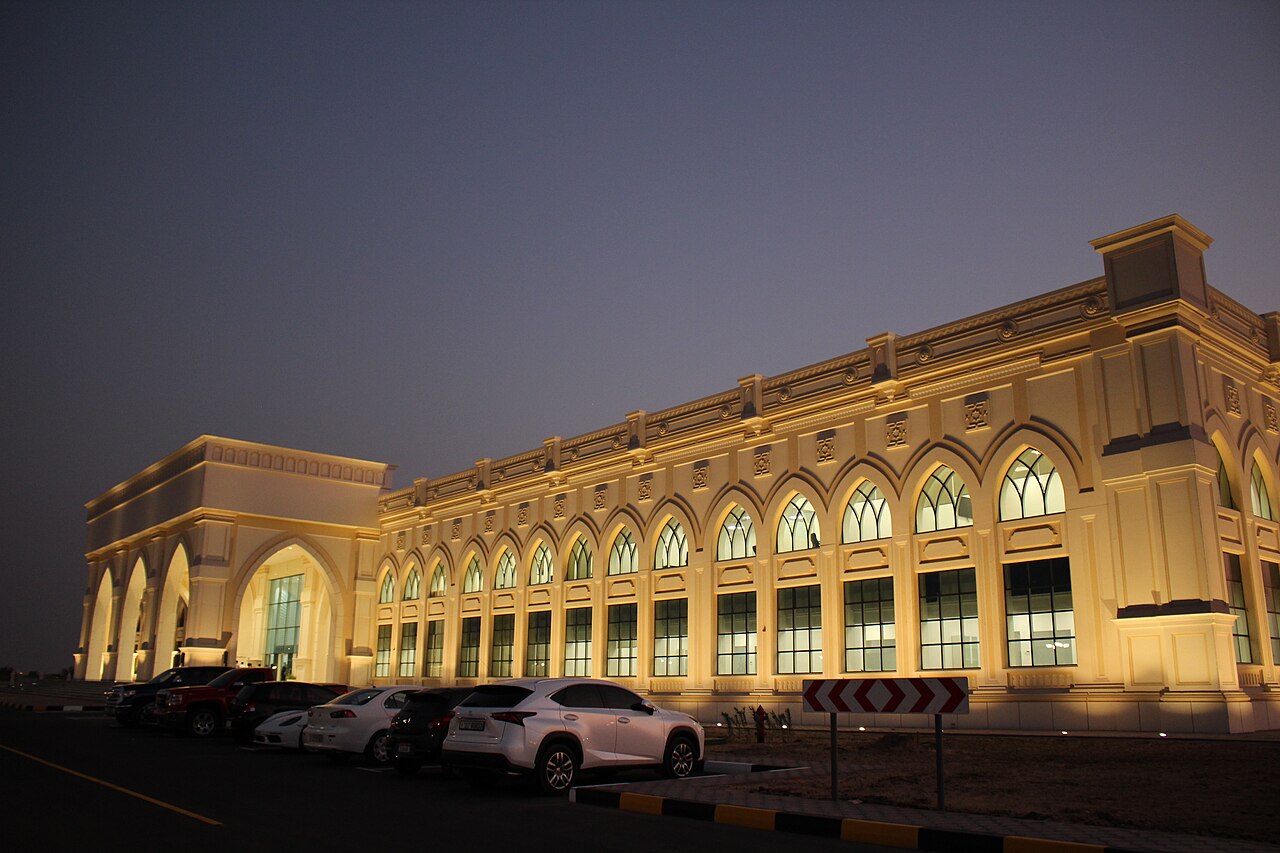
Key License Features Businesses Should Understand
SPC Free Zone's appeal is not only the license itself, but how the license connects with ownership, visas, activities, facilities and possible market access.
Key features include:
100% foreign ownership, allowing international founders to fully own their UAE company. Zero paid-up share capital requirement, reducing the upfront financial burden. Multiple activity options, with over 1,500 activities listed in SPC's licensing guidance. Up to five activities under one license, useful for hybrid business models. Visa allocation options, with SPC guidance mentioning up to 20 visas under one trade license in certain packages. Dual-license option, which can help eligible companies access both free zone and mainland opportunities, subject to conditions. Onsite immigration and support services, useful for founders relocating to the UAE.
The Dual-License Advantage for UAE Market Access
A common issue with UAE free zone companies is market access. Many free zone businesses are excellent for international trade, online services, consulting, and global operations, but companies that want to operate directly in the UAE mainland may need additional permissions or a suitable structure.
SPC's dual-license option is designed to address this gap. SPC describes the dual license as a way to combine free zone advantages with wider mainland access, including operational flexibility and broader customer reach, subject to requirements such as a no-objection process.
For example a digital agency may start by serving international clients from SPC Free Zone. Later, if it wins contracts with UAE mainland clients or government-linked entities, the dual-license route may help it operate more efficiently without immediately restructuring the entire business.
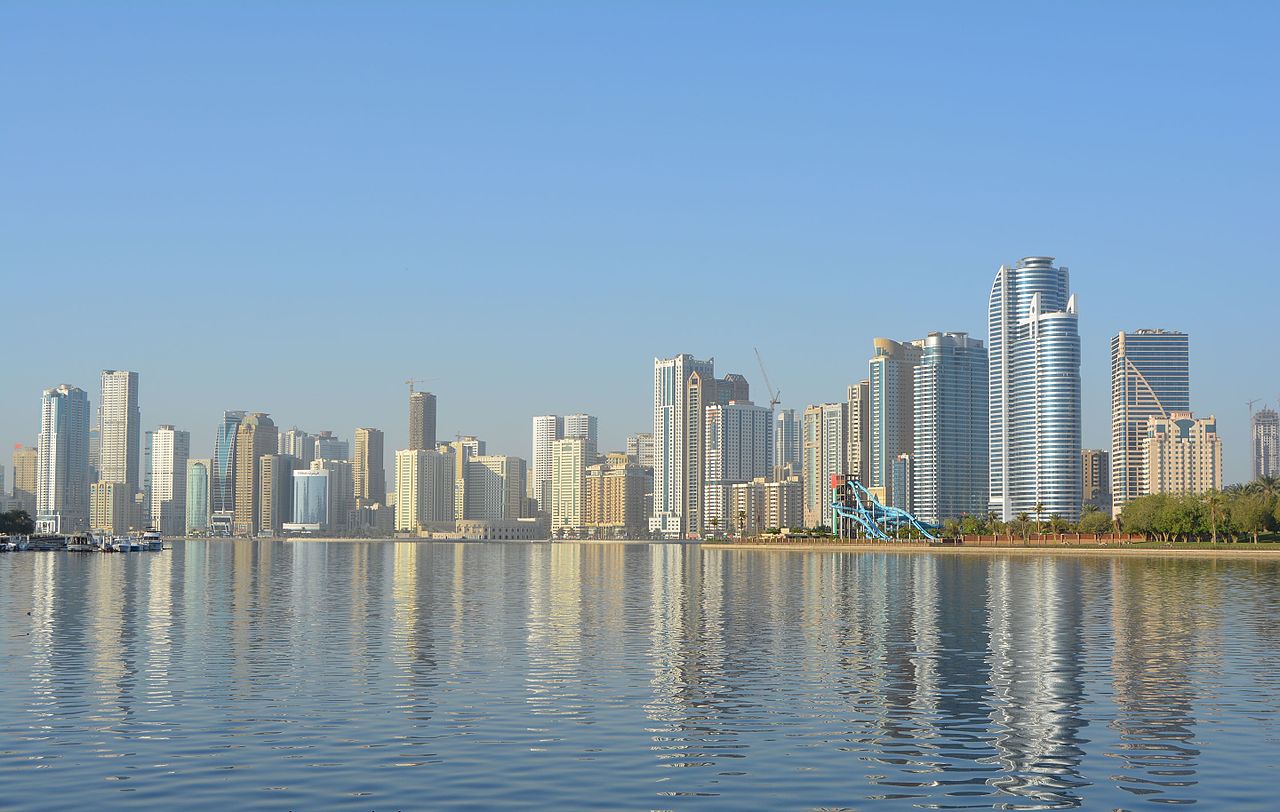
Why Sharjah Is Becoming More Attractive for Business Setup
Sharjah is not simply a lower-cost alternative to Dubai. It has its own investment story.
In the first half of 2025, Sharjah recorded 74 FDI projects, a 57% increase from the same period in 2024. Capital investment rose 361% to USD 1.5 billion, while job creation increased 45% to 2,578 positions. Growth was especially strong in consumer products, F&B, business services, industrial equipment, logistics, e-commerce infrastructure, and ICT training.
This is relevant for SPC Free Zone because the companies most likely to benefit from flexible licensing are often the same companies driving Sharjah's growth: service firms, digital businesses, product companies, logistics-linked traders, content companies, and regional SMEs.
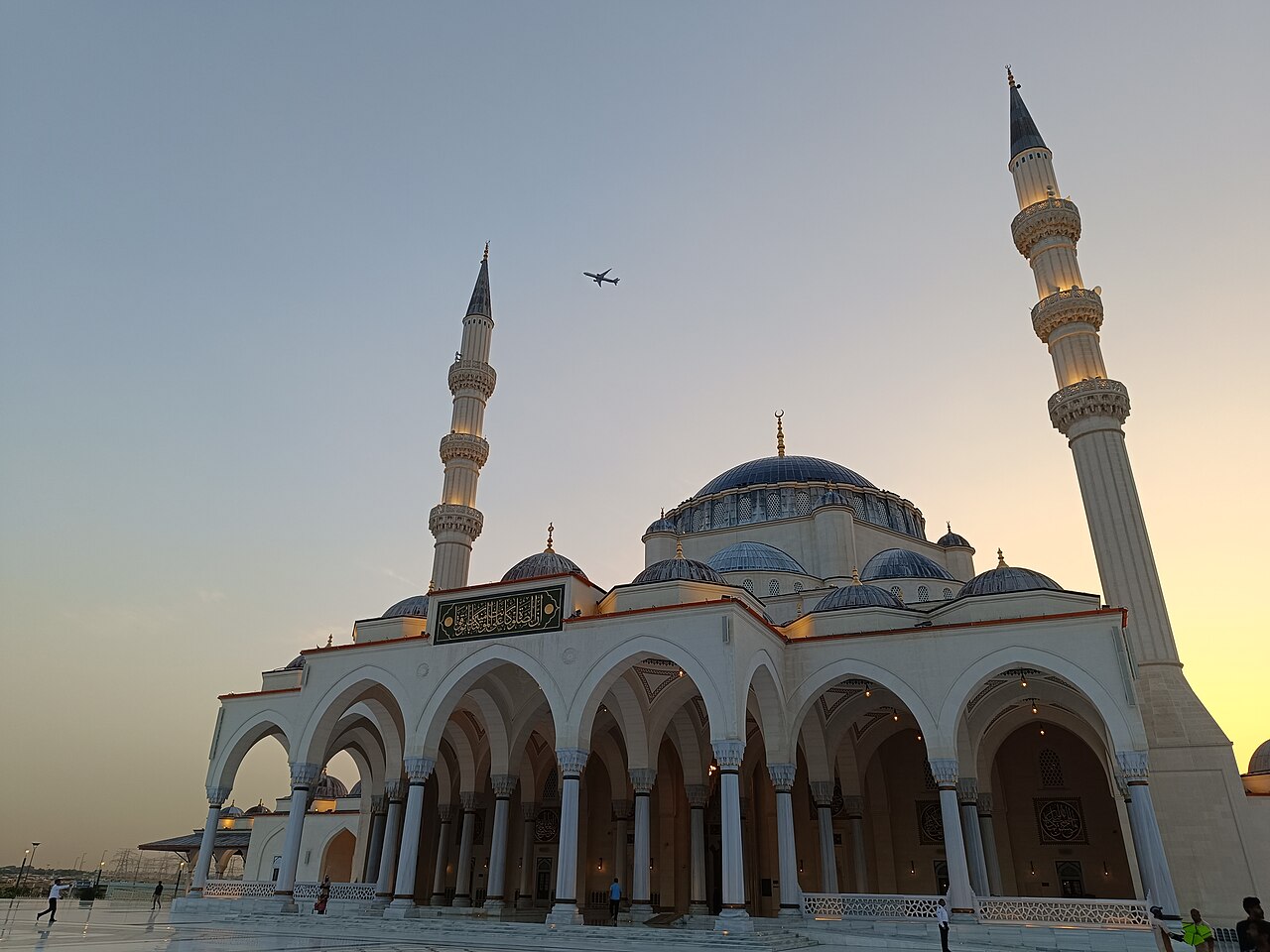
How SPC Free Zone Fits the UAE's Digital Economy Strategy
The UAE is actively pushing toward a larger digital economy. The National Digital Economy Strategy aims to raise the digital economy's contribution to GDP from 9.7% to 19.4%. The UAE's National Investment Strategy 2031 also focuses on priority sectors such as industry, logistics, financial services, renewable energy and information technology.
SPC Free Zone aligns well with this direction because many of its suitable activities sit inside the digital and knowledge economy: e-commerce, online publishing, digital content, consulting, software, marketing, training, and media services.
SPC has also introduced e-publishing-focused options. Its e-publishing package includes activities such as e-books publishing, online publishing, online media materials trading, audiobooks, and online retail sale of books and stationery.
For creators, educators, media entrepreneurs and digital publishers this is important. The UAE is not only attracting traditional trading companies, it is becoming a base for content-led businesses that sell intellectual property, education, digital media and online products.

Tax and Compliance: The Part Businesses Should Not Ignore
A free zone license is not a shortcut around compliance. UAE corporate tax rules apply to free zone companies, and free zone entities must understand whether they qualify for the 0% corporate tax treatment on qualifying income.
The Federal Tax Authority explains that Qualifying Free Zone Persons may benefit from a 0% corporate tax rate on qualifying income, but conditions apply. The FTA also clarifies that non-qualifying income and profits attributable to certain permanent establishments may be subject to the 9% corporate tax rate.
For business owners, the practical lesson is simple: choose the license activity correctly, maintain proper accounting records, understand where income comes from, and get tax advice before assuming all free zone income is automatically taxed at 0%.
This is especially important for companies that sell into the UAE mainland, own intellectual property, deal with related parties, or operate across multiple jurisdictions.

Practical Takeaways Before Choosing an SPC Free Zone License
Before applying, founders should think beyond the cheapest package. The right license should match the business model for at least the next 12 to 24 months.
Practical steps include:
Map each revenue stream before selecting activities. If you sell products, offer services, and publish content, the license should reflect that. Check whether mainland access is needed now or later. If yes, ask about the dual-license route early. Plan visa requirements realistically. A solo founder may not need a large visa package, but a growing agency or trading company might. Consider banking from day one. Banks often review business activity, ownership, contracts, and expected transaction patterns. Understand corporate tax obligations. Free zone status does not remove the need for accounting, filings, and proper documentation. Avoid under-licensing. Operating an activity not listed on the license can create compliance issues.
Who Should Consider Sharjah SPC Free Zone?
E-Commerce and Online Retail Businesses
SPC supports e-commerce activities and notes that payment gateway integration for e-commerce websites does not require a separate NOC or special permission under an SPC license. It also offers customs-code support for Sharjah ports and options relating to Dubai ports, which is useful for companies handling physical goods.
Consultants and Professional Service Providers
Consultants, trainers, business advisors, IT firms, marketing agencies, and management service providers benefit from being able to combine related activities under one license. This helps them serve different client needs without creating unnecessary entities.
Publishers, Media Companies, and Content Businesses
SPC's publishing roots remain a major advantage. E-books, audiobooks, online publishing, content trading, media materials and print-related activities are directly aligned with the free zone's original specialization.
International SMEs Entering the UAE
For overseas businesses testing the UAE or GCC market, SPC offers a practical first step. The combination of foreign ownership, visa options, flexible activities and potential dual licensing makes it useful for companies that want to start lean and expand based on market response.
Conclusion
Sharjah SPC Free Zone is attractive because it solves a real problem: businesses are becoming more multi-functional, digital, and cross-border, while licensing still needs to be clear, compliant, and legally specific.
The UAE's broader economy supports this opportunity. Non-oil GDP is growing, trade is reaching record levels, FDI inflows are strong and Sharjah is seeing measurable investment growth. The UAE attracted AED 167.6 billion or USD 45.6 billion, in FDI inflows in 2024 and ranked 10th globally for inbound FDI while also ranking second globally for new greenfield FDI projects.
For entrepreneurs, the real value of SPC Free Zone is not just fast setup or lower entry cost. It is the ability to build a company structure that can adapt as the business changes. A founder can begin with e-commerce, add consulting, expand into publishing, hire employees, apply for visas, and explore wider UAE market access without starting from zero each time.
In a market where speed, compliance and flexibility all matter, SPC Free Zone gives modern businesses a practical way to launch in the UAE with room to grow.
Frequently Asked Questions
Sharjah SPC Free Zone, or Sharjah Publishing City Free Zone, is a UAE free zone in Sharjah that supports company formation for publishing, media, e-commerce, trading, consulting, and other business activities.
Yes. SPC Free Zone states that businesses can combine up to five activities across different sectors under one license.
SPC Free Zone states that licenses can be issued in as little as 45 minutes when documentation is complete.
Yes. SPC Free Zone offers 100% foreign ownership and does not require paid-up share capital for setup.
Yes. SPC Free Zone supports e-commerce activities and can be suitable for online stores, digital retail, product trading, and businesses that need payment gateway integration.